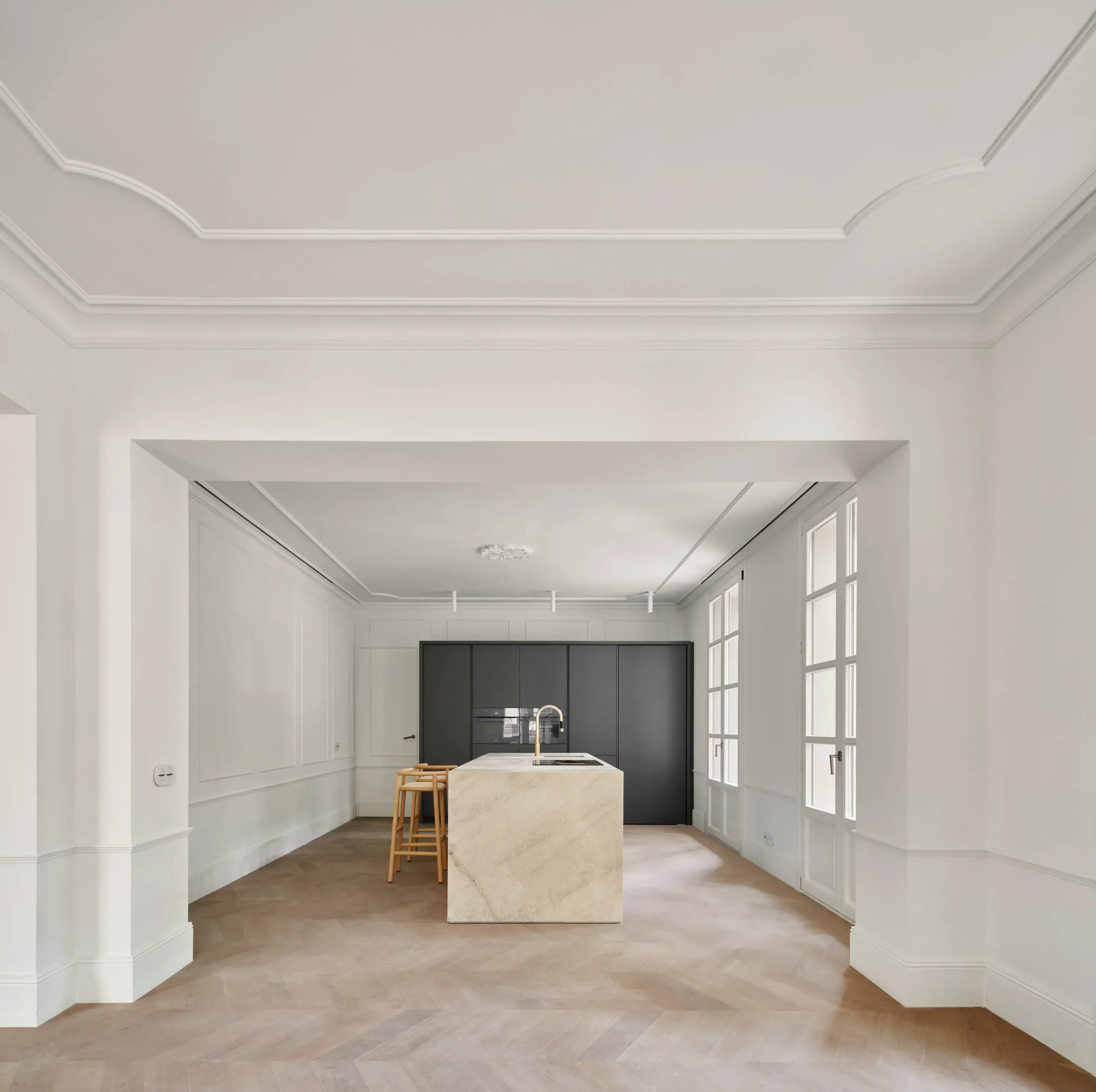
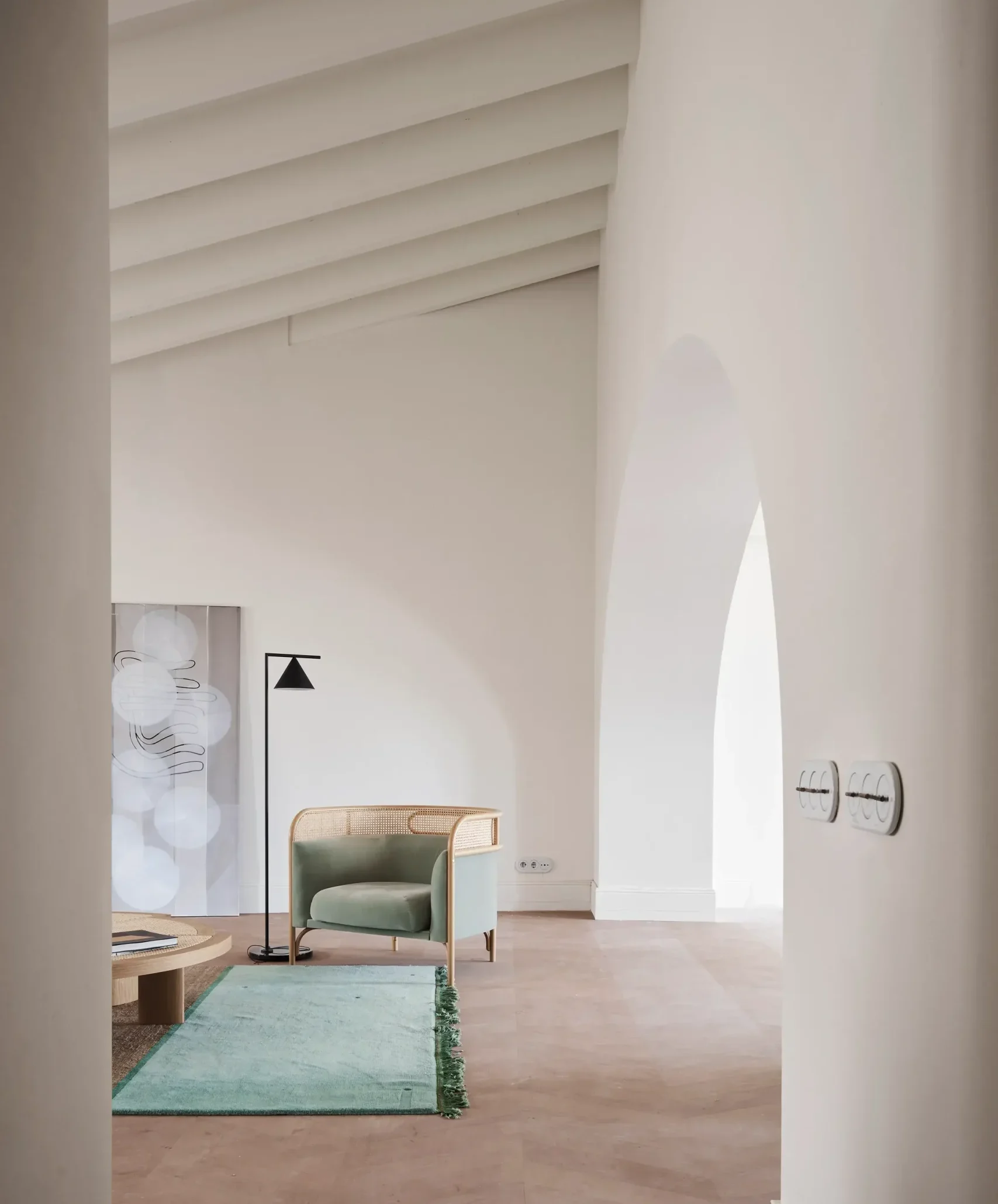
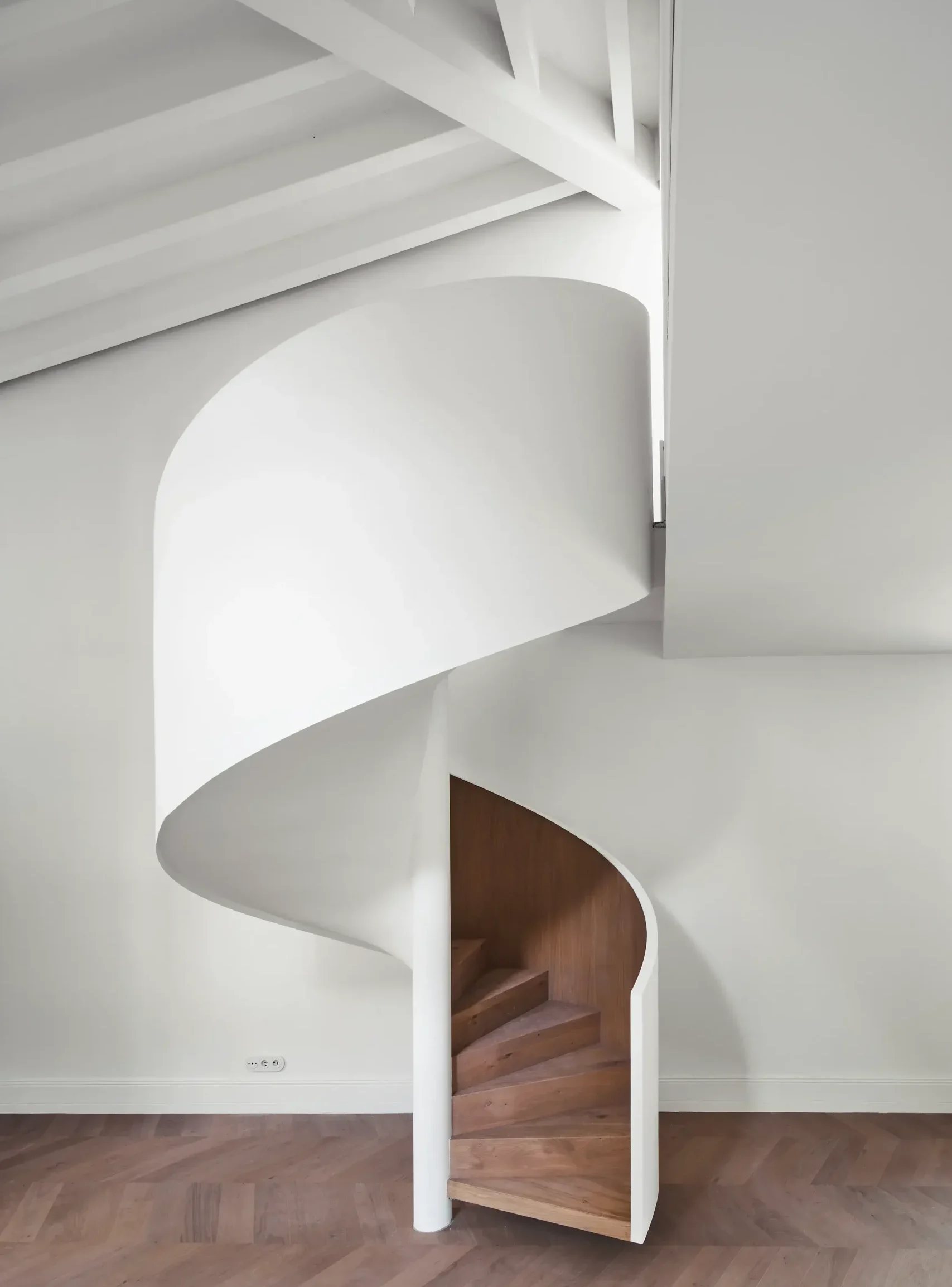
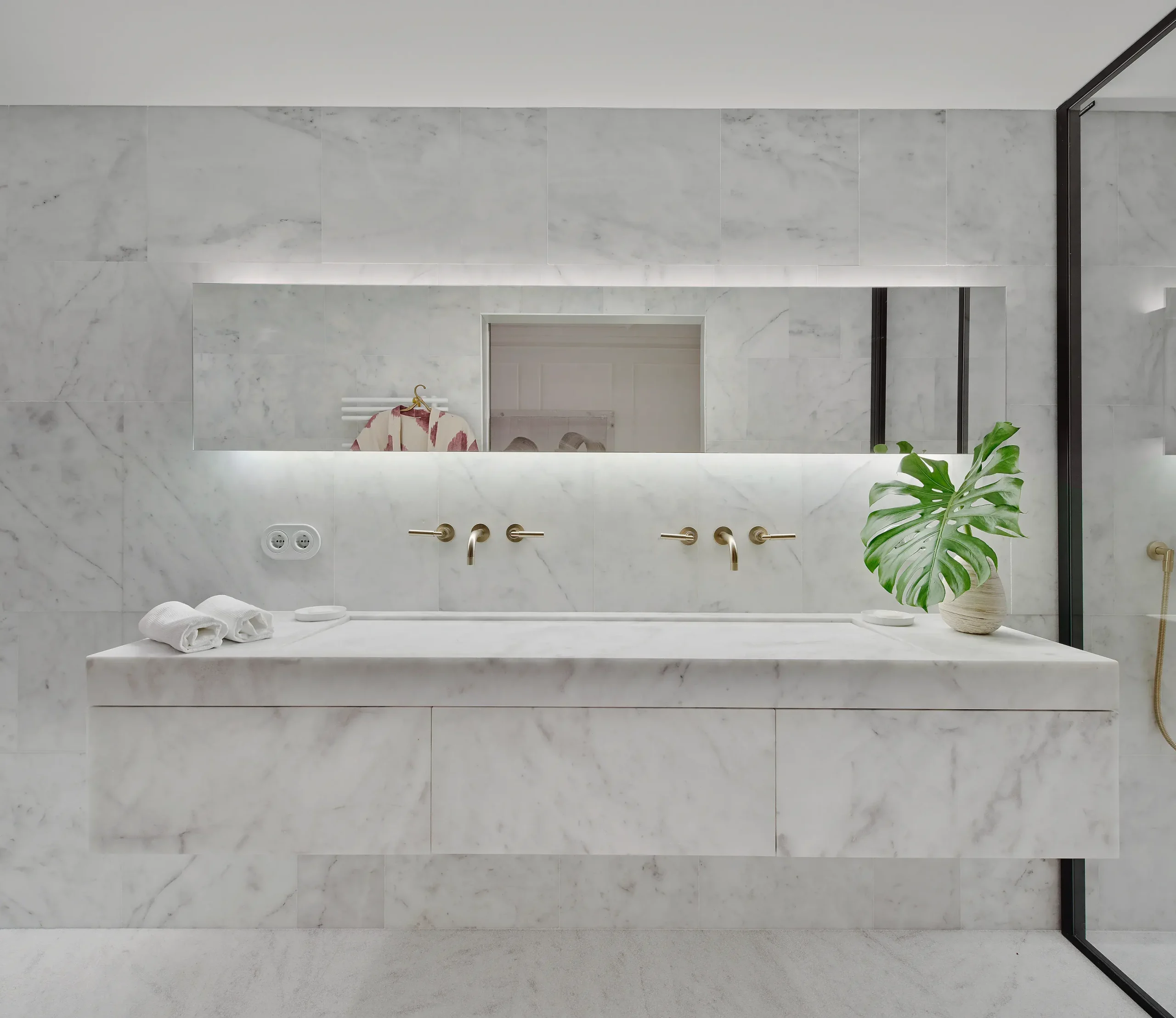
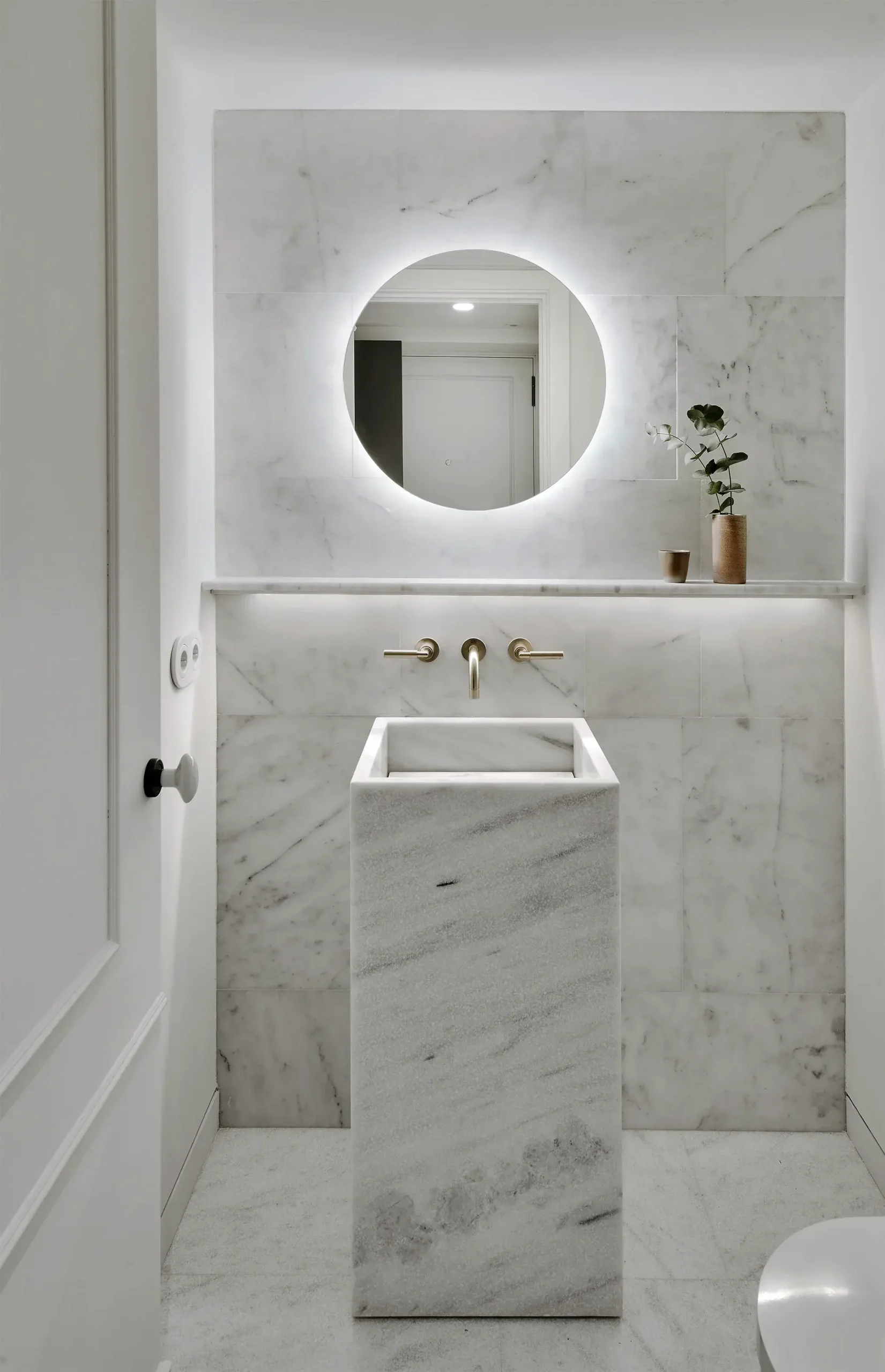
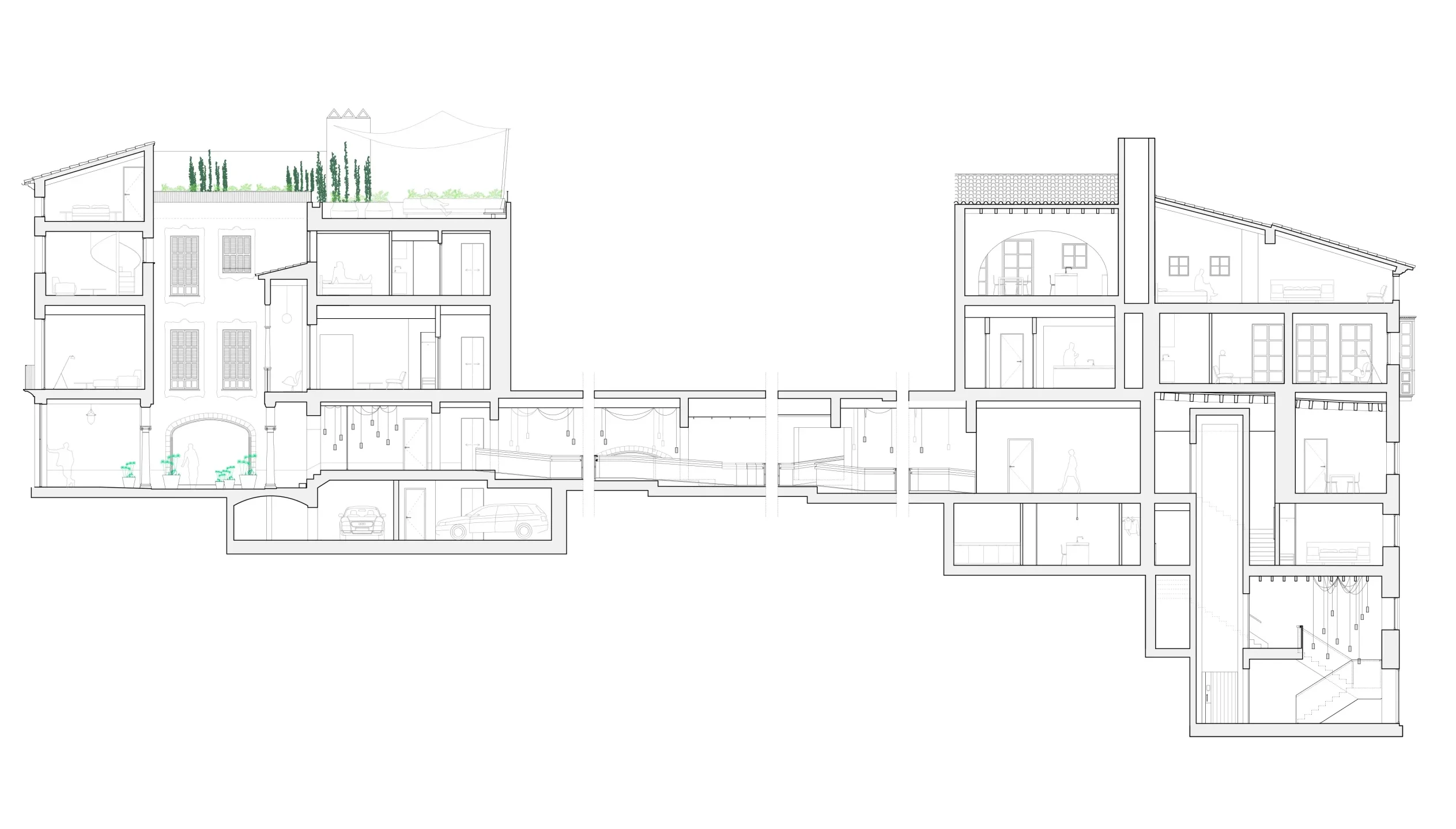
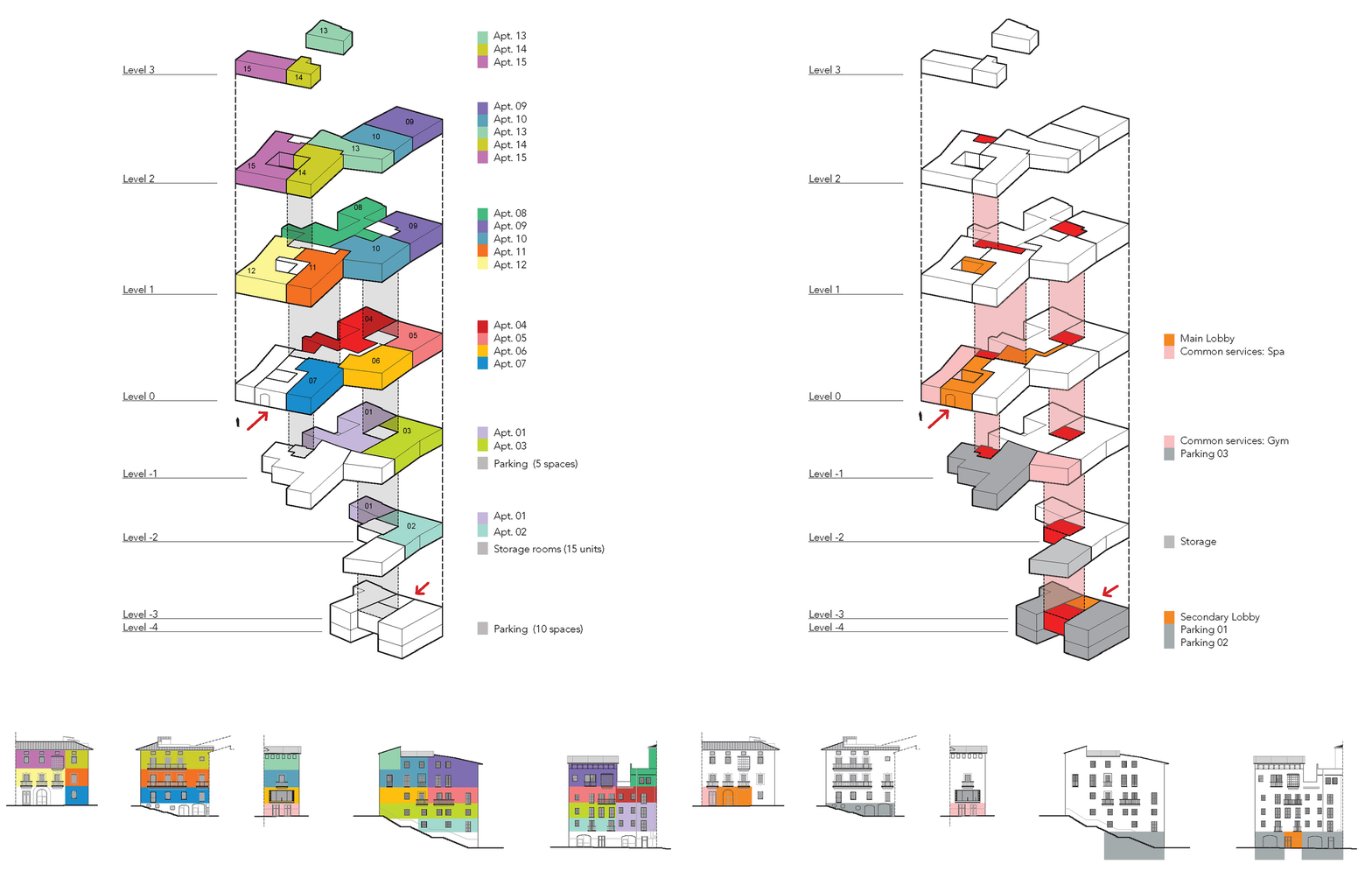
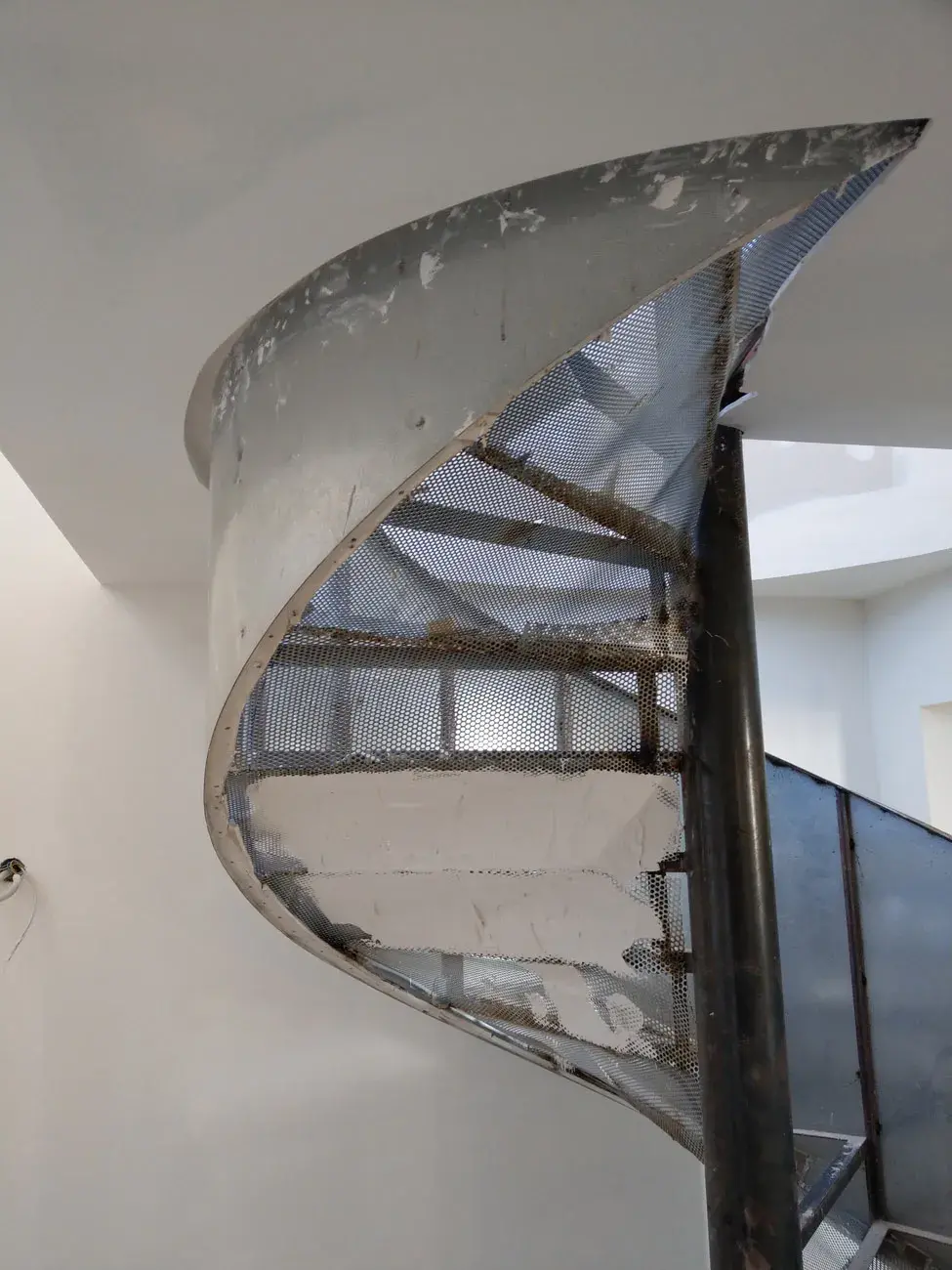
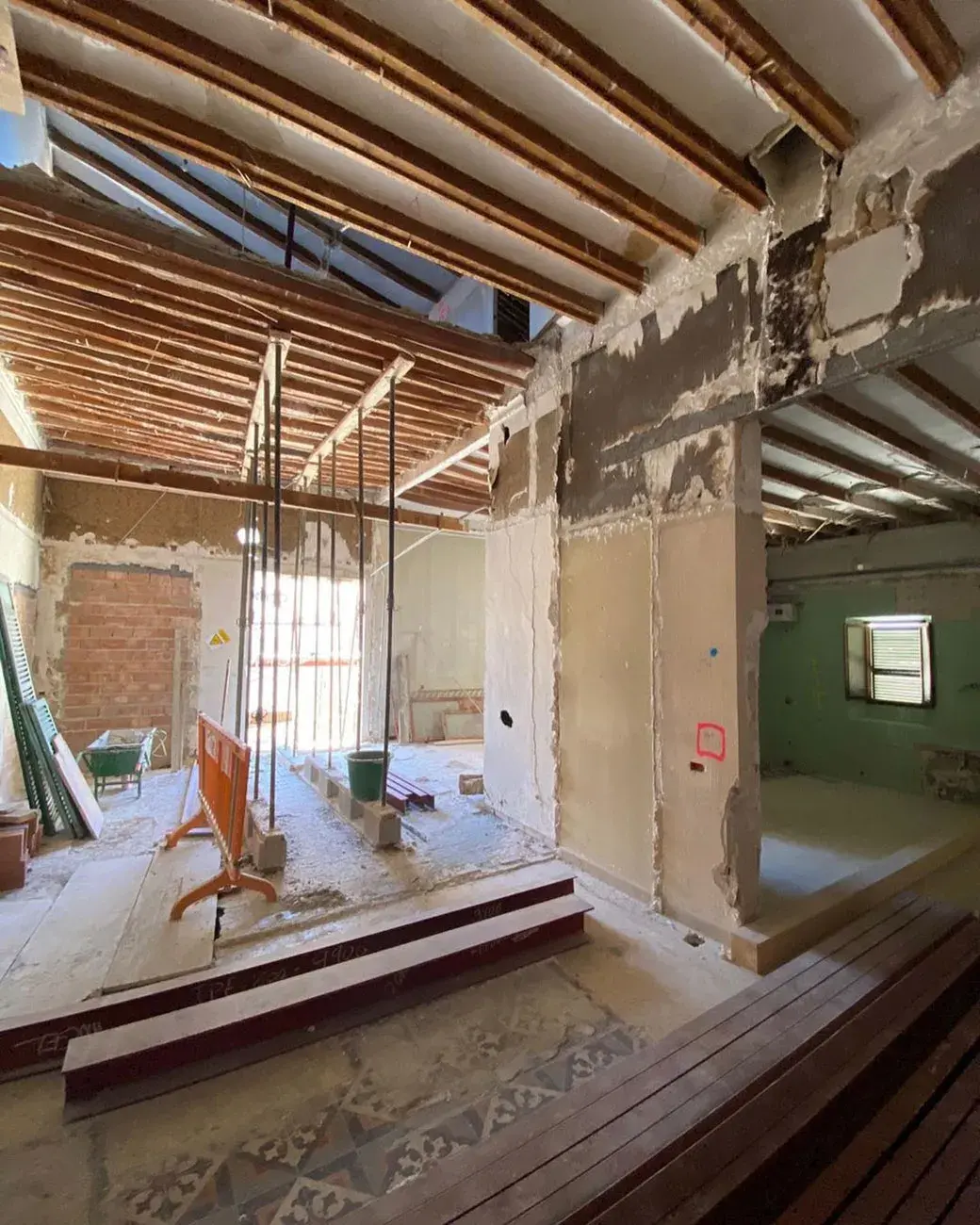
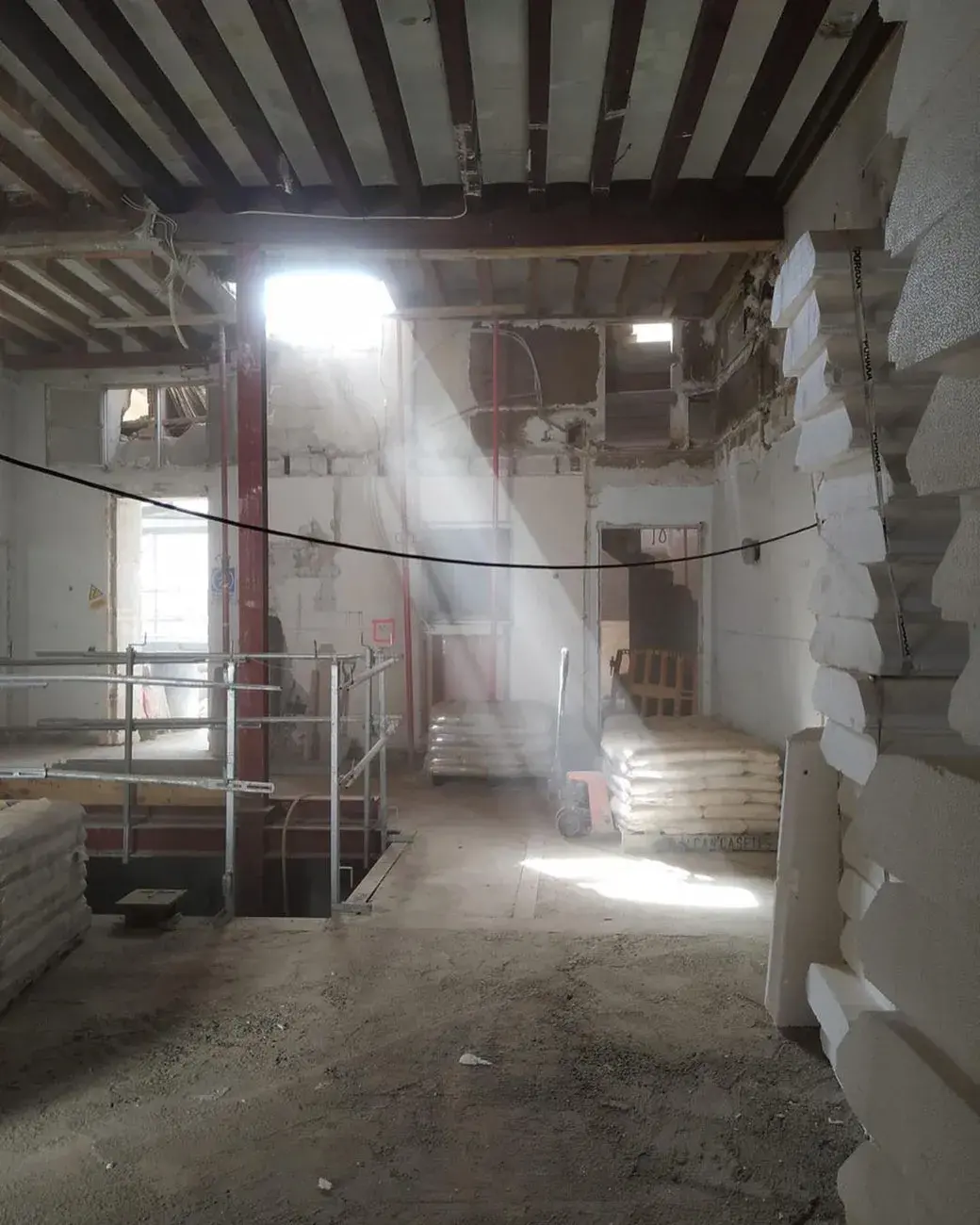
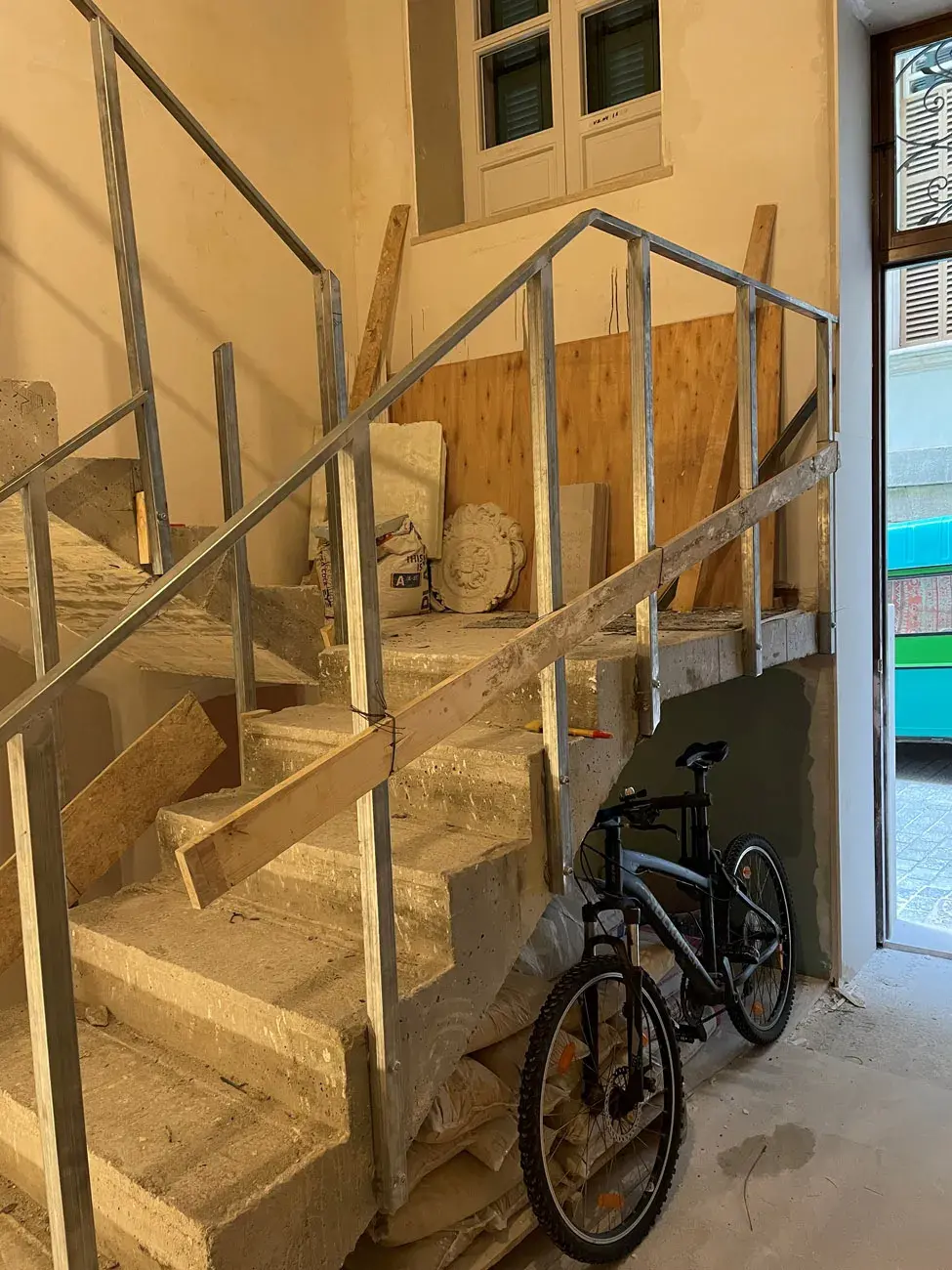
Can Santacilia is a residential project of 3300 m2 with 15 dwellings and common areas. It is a careful renovation of two buildings located in the heart of the old town of Palma de Mallorca.
Can Santacilia
Palma de Mallorca
Can Santacilia is a residential project of 3300 m2 with 15 dwellings and common areas. It is a careful renovation of two buildings located in the heart of the old town of Palma de Mallorca.
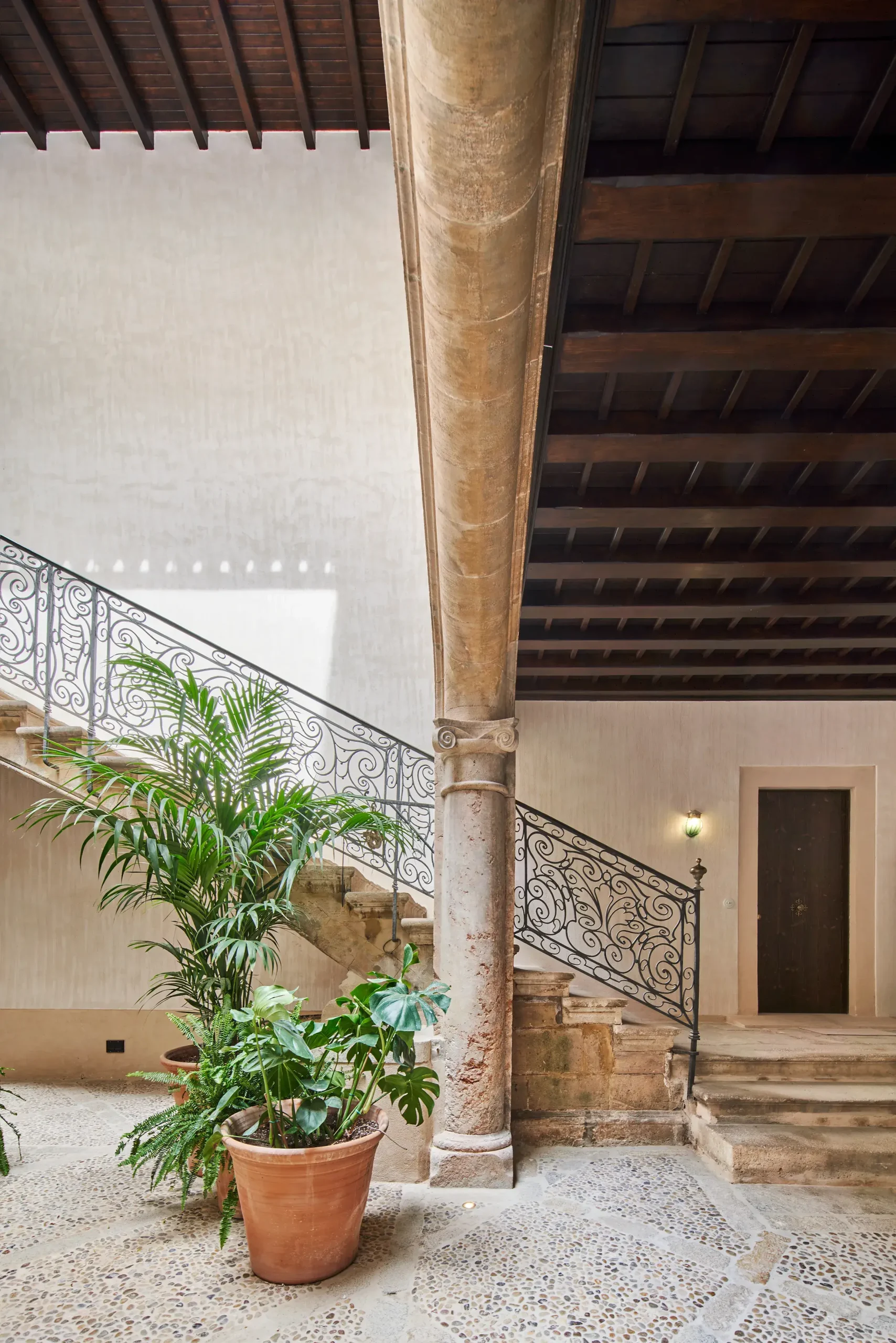
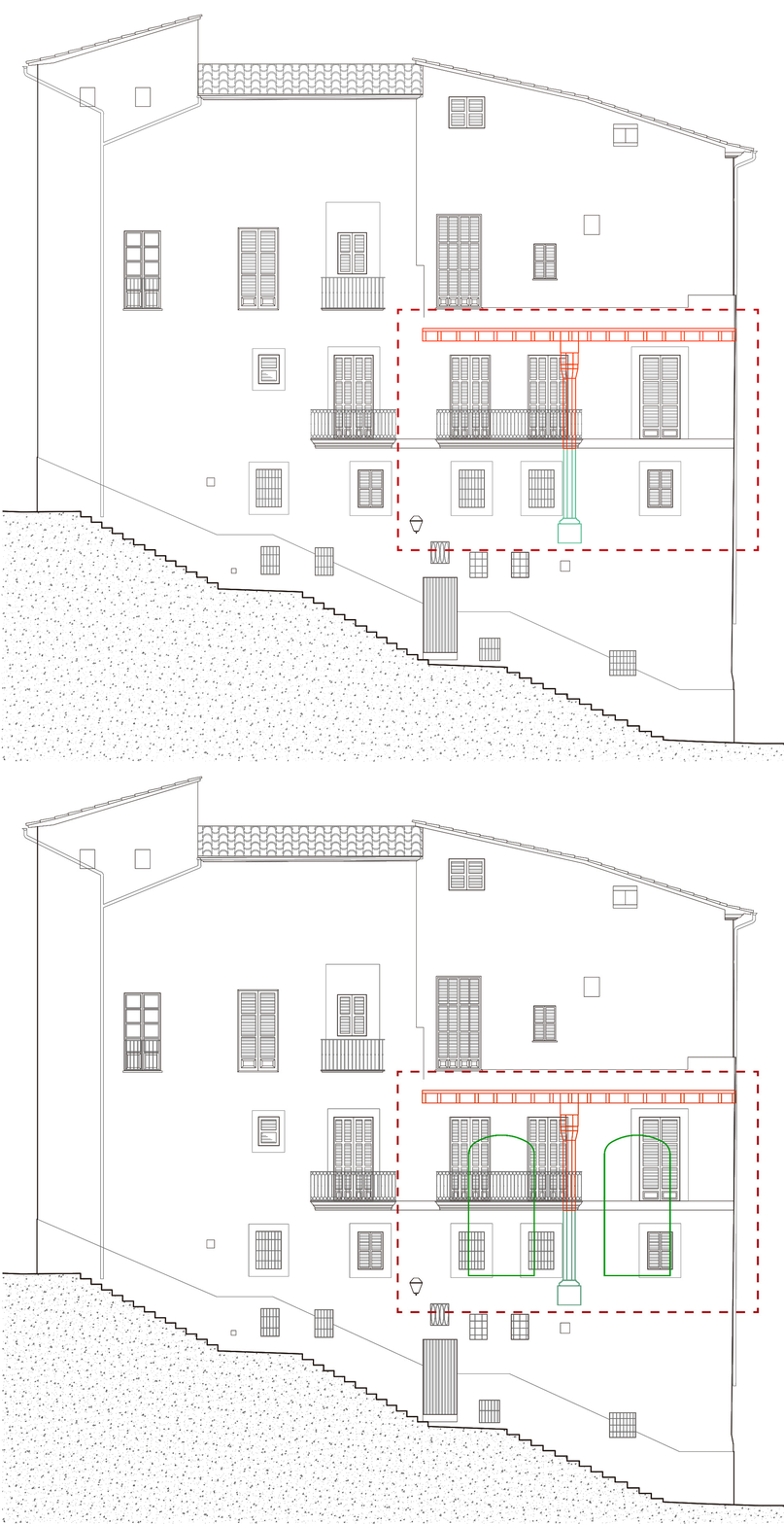
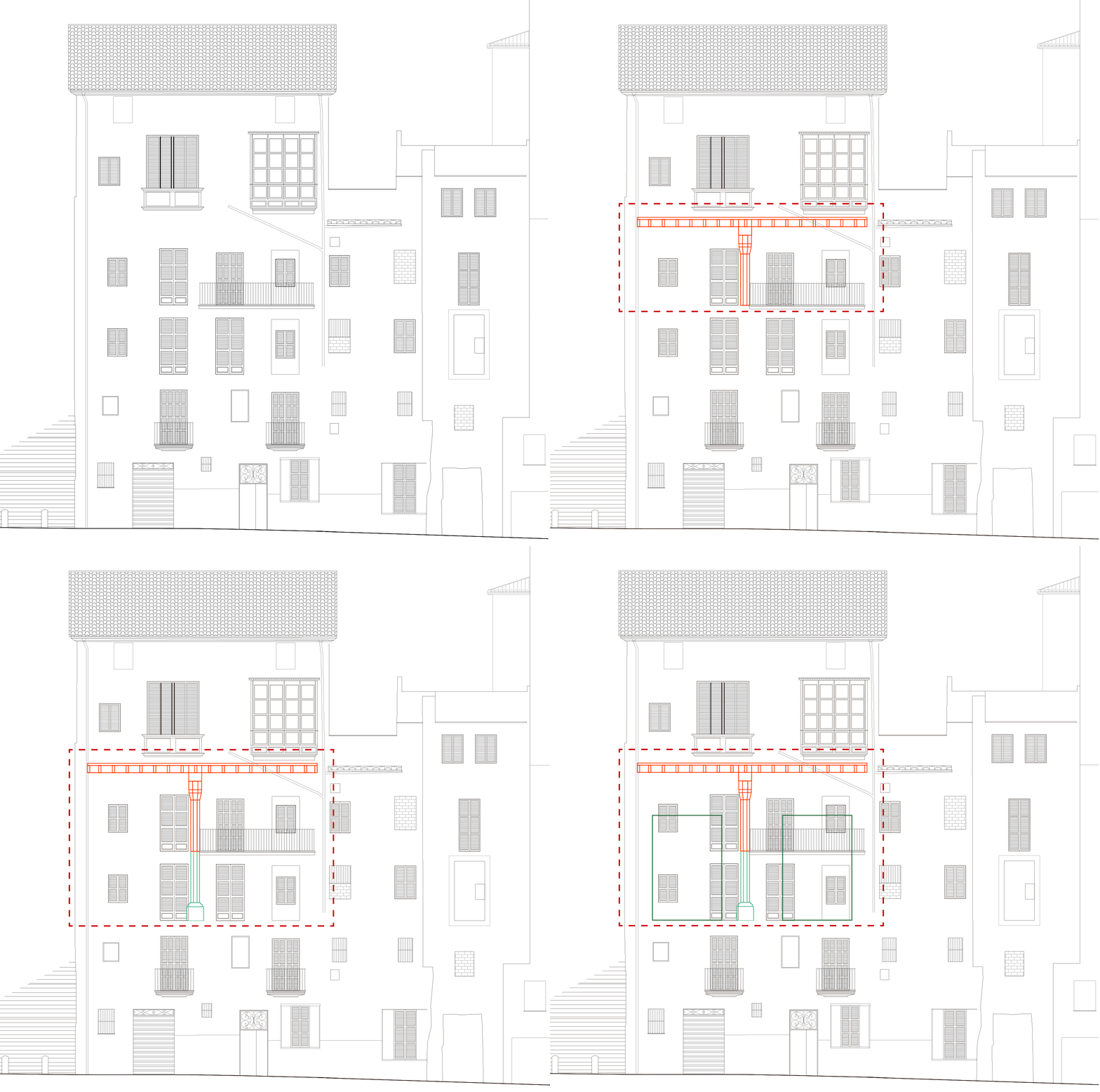
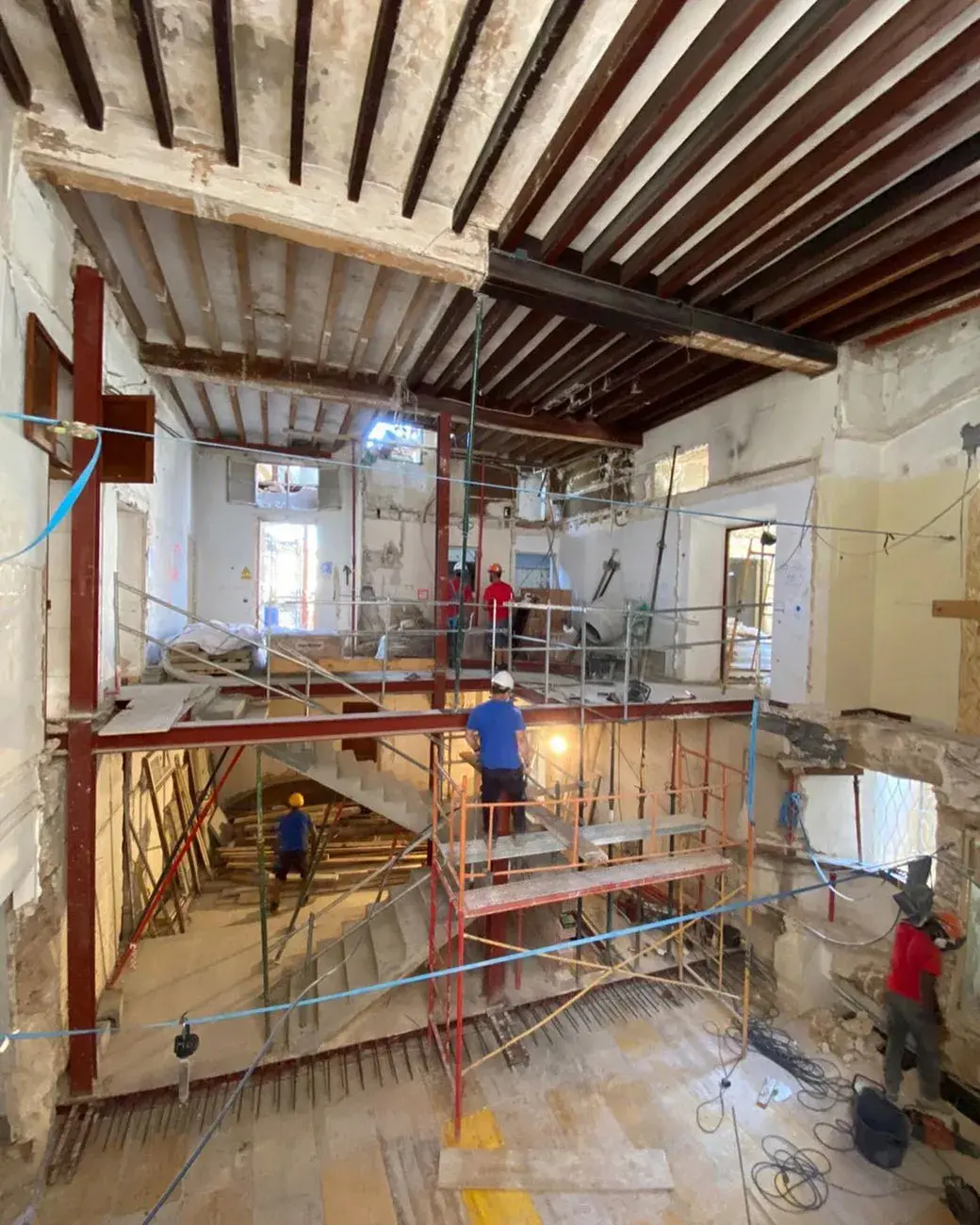
The first challenge was that of historical responsibility, which involved researching the various interventions over time to uncover, recover, and highlight the main architectural elements and spaces. The aim was not to erase or hide the alterations that had occurred throughout history to recreate an ideal past that could not be known with certainty, but rather to uncover the different stages and interventions, recognizing valuable elements in each of them.
In order to make this operation efficient and reintegrate the buildings into the life of the city, we decided to update their spaces and use for the 21st century. On one hand, a single building was required with modern, comfortable residences, equipped with all services and facilities suitable for a contemporary lifestyle. On the other hand, we were faced with a complex, compartmentalized structure that was difficult to adapt, with a 17th-century façade and volume—protected, extremely rigid, and hard to modify.
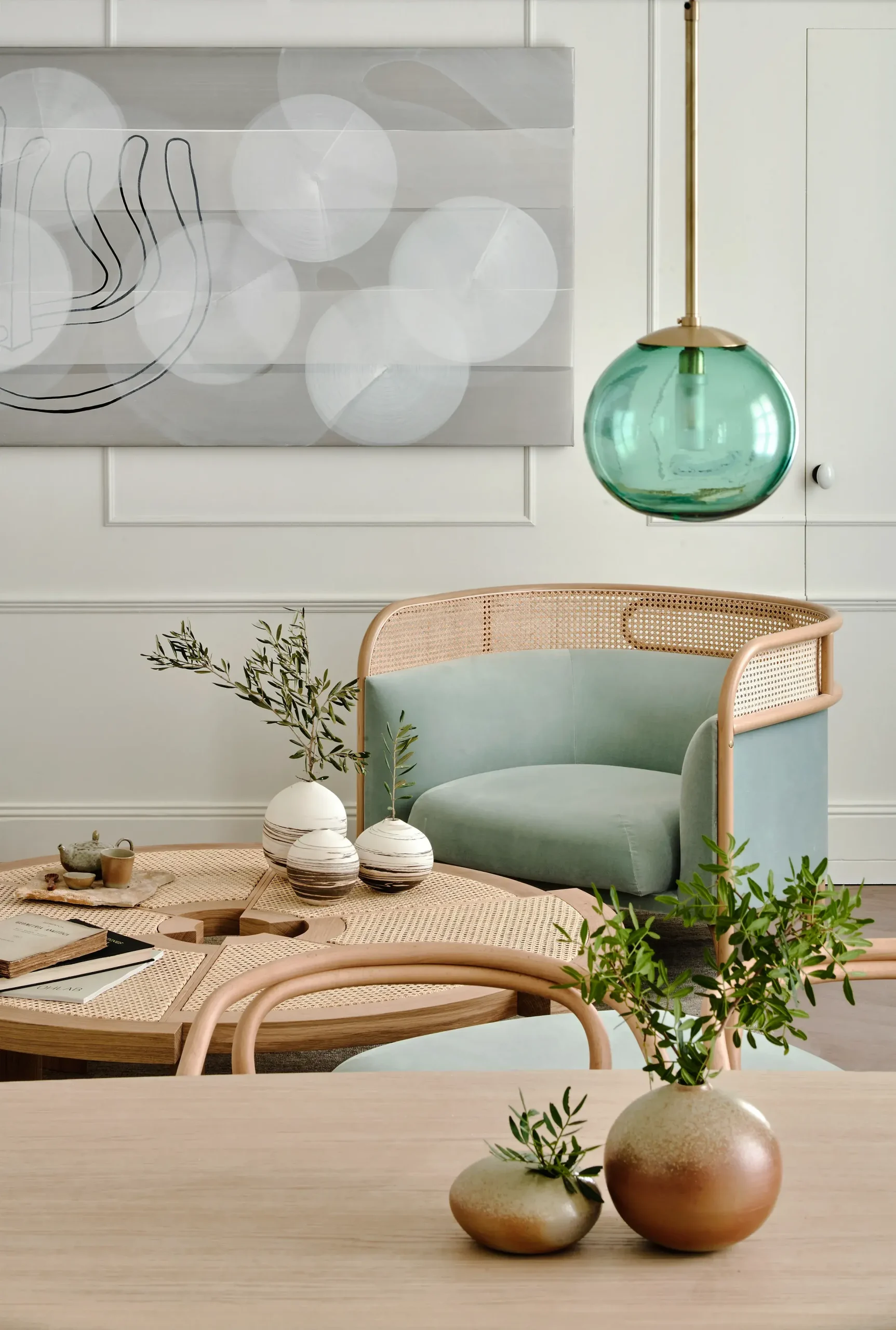
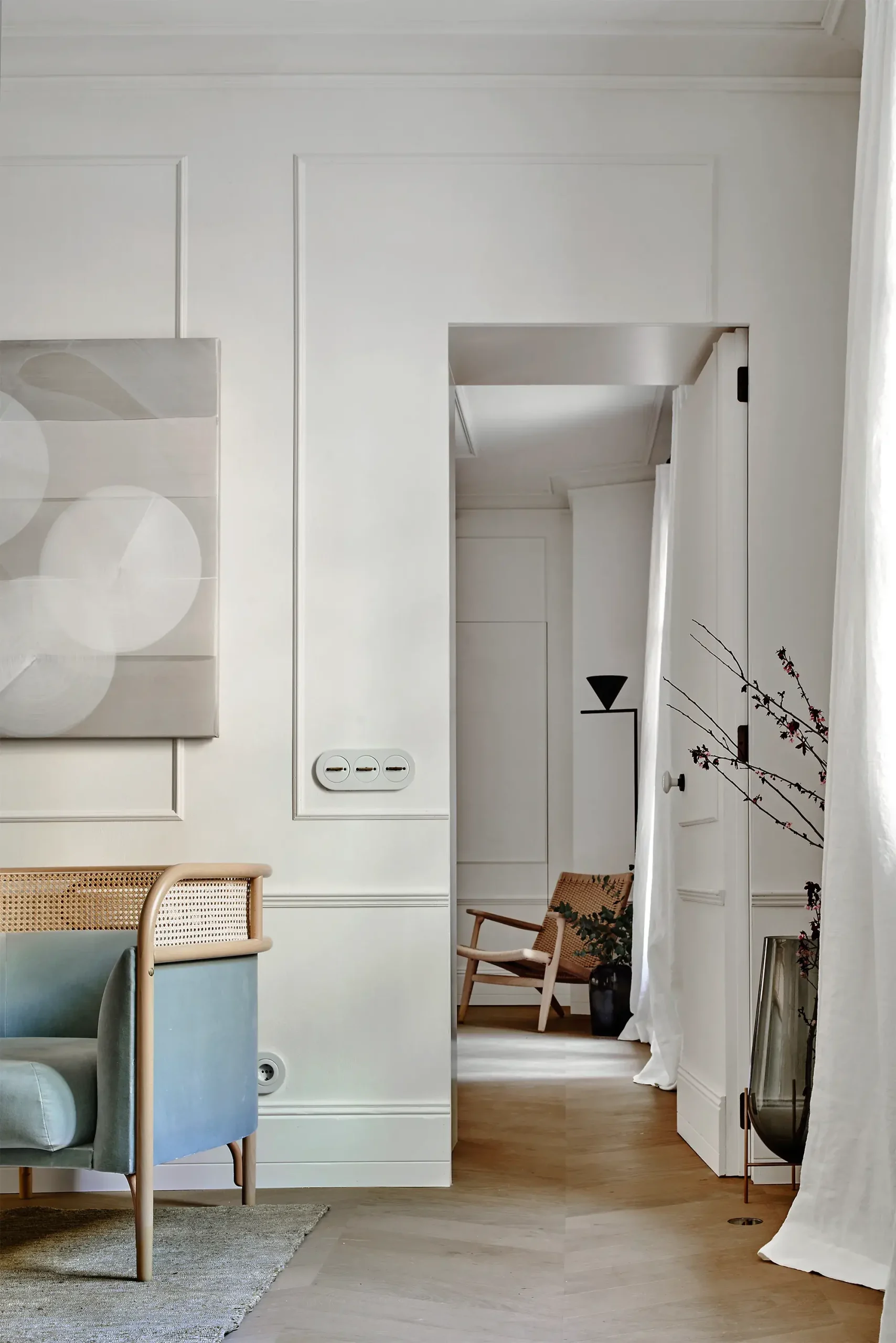
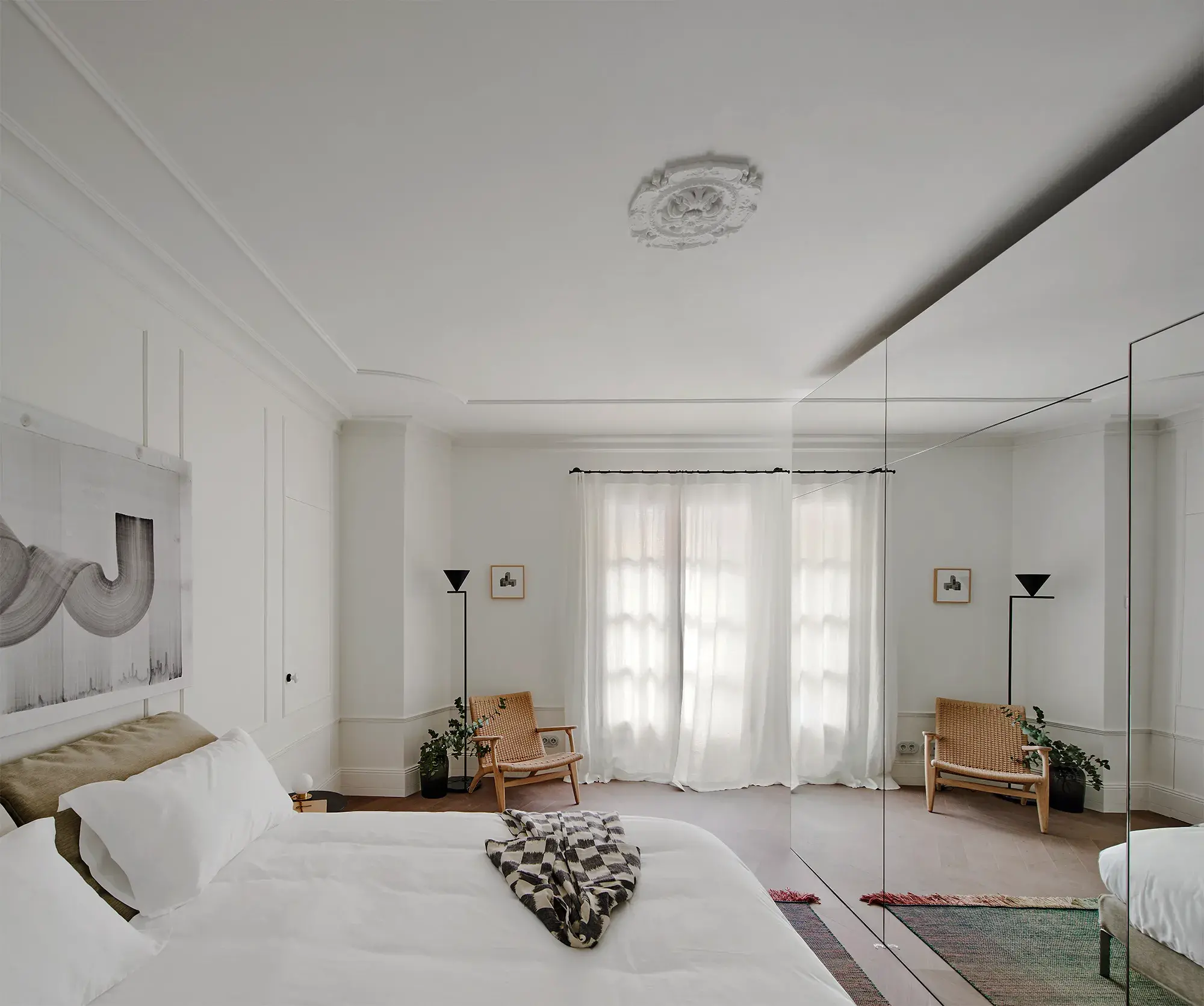
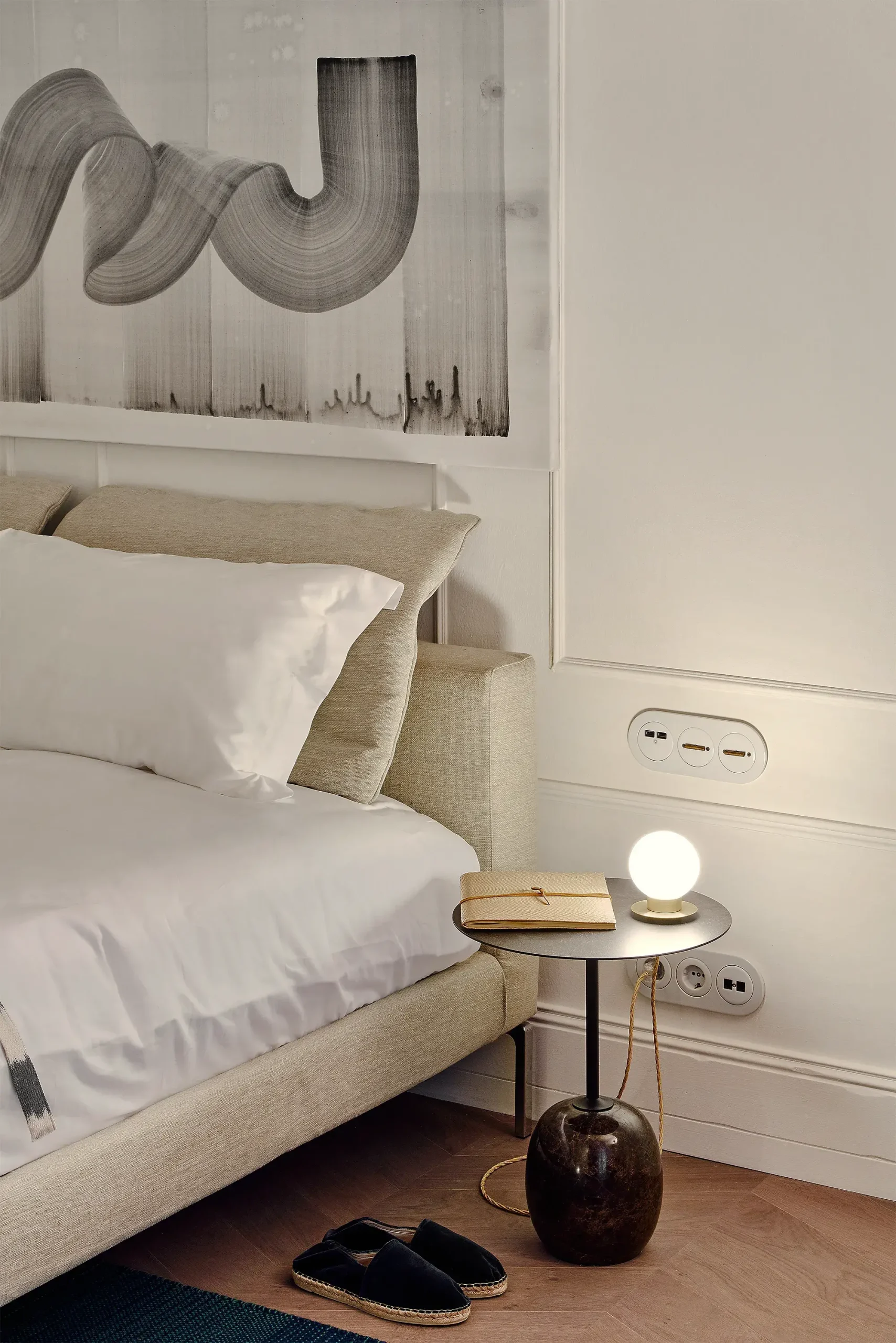
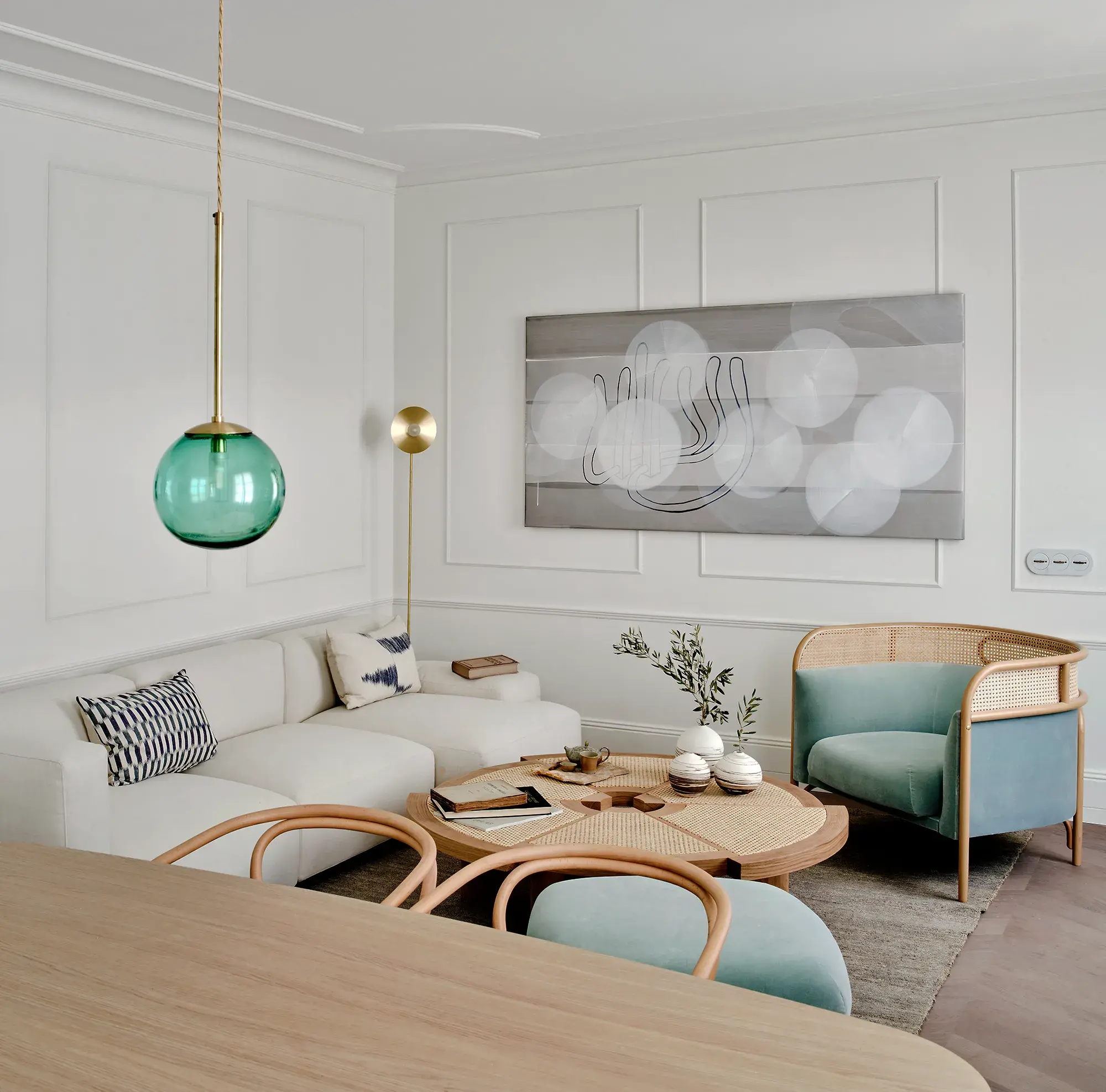
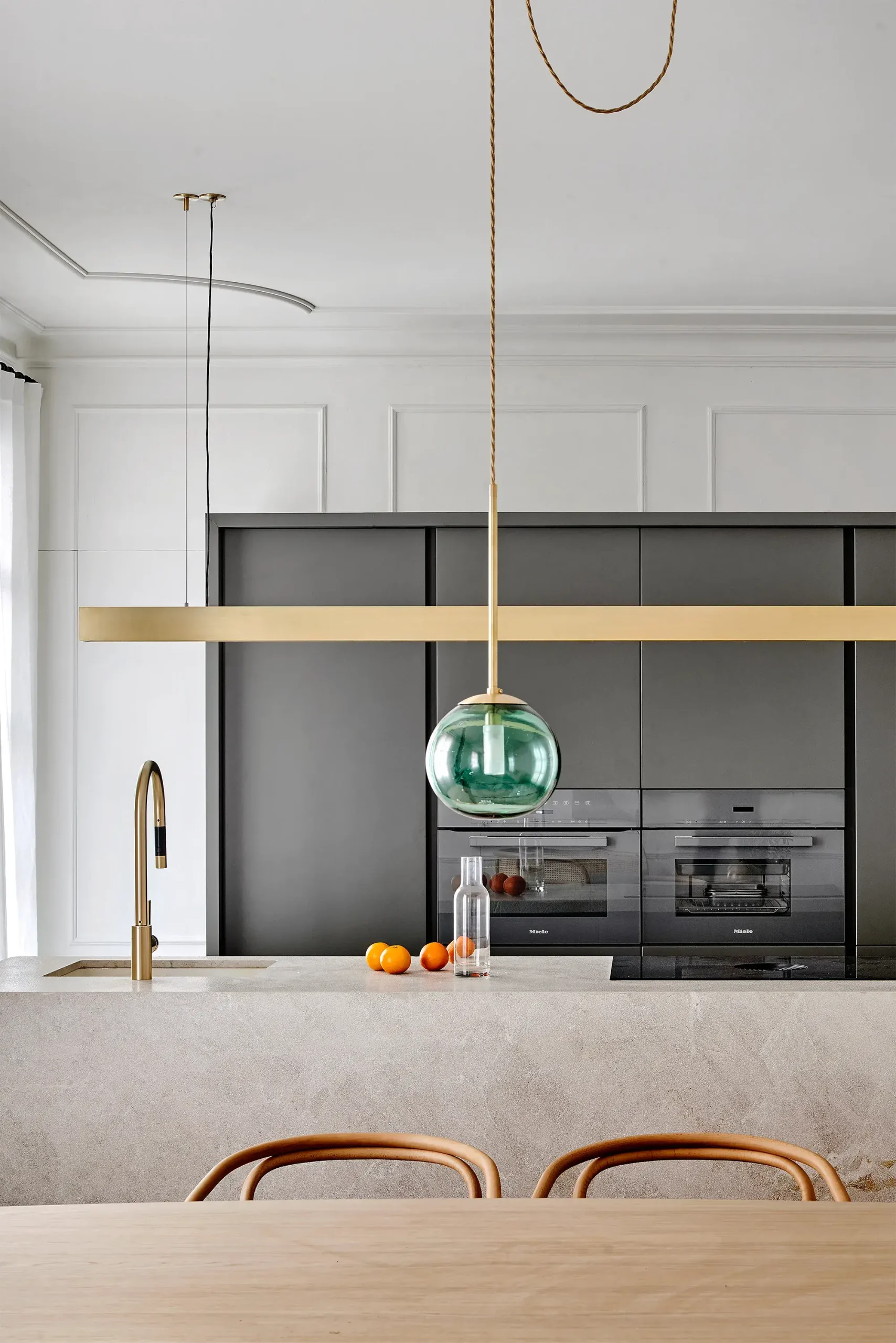
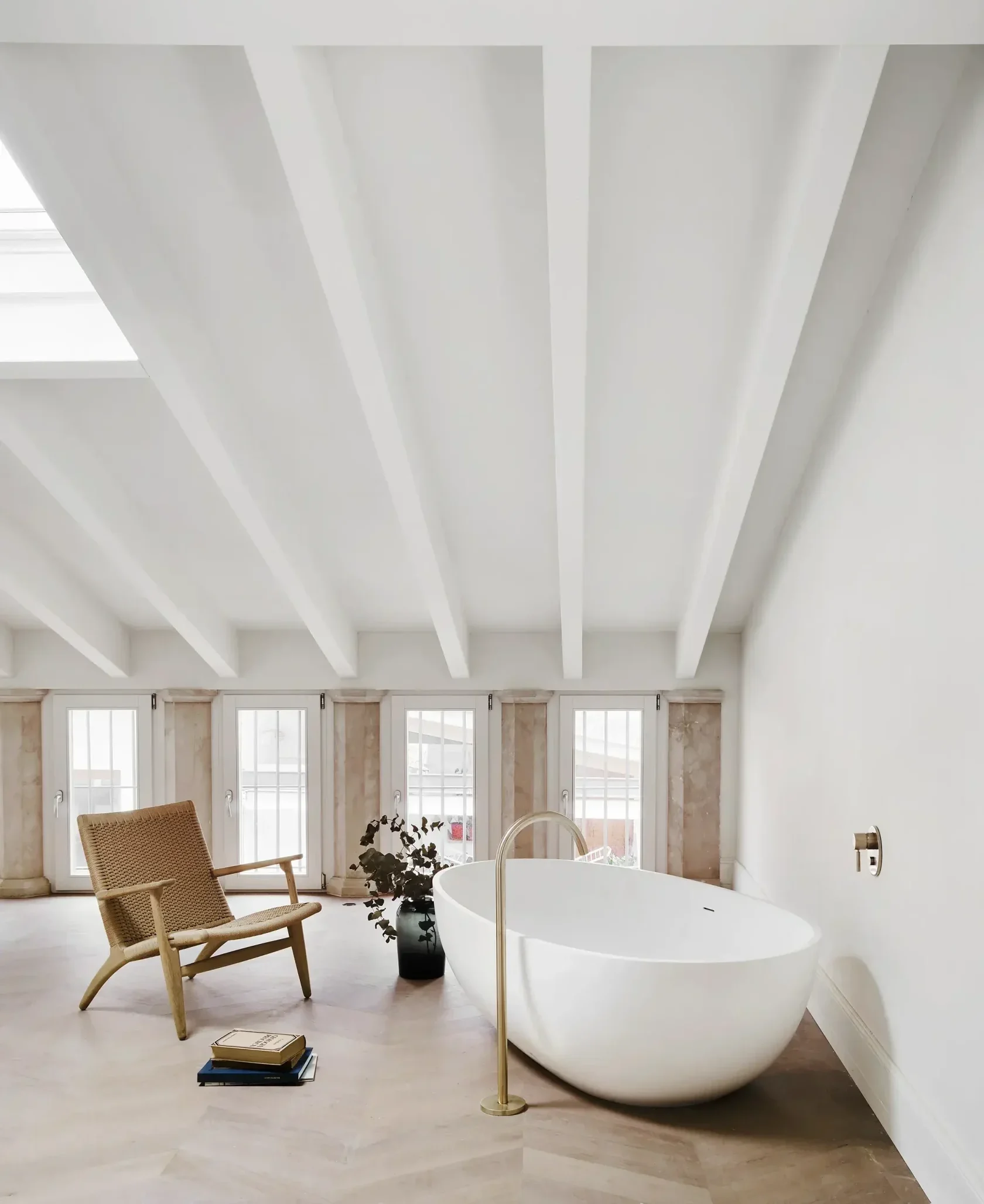
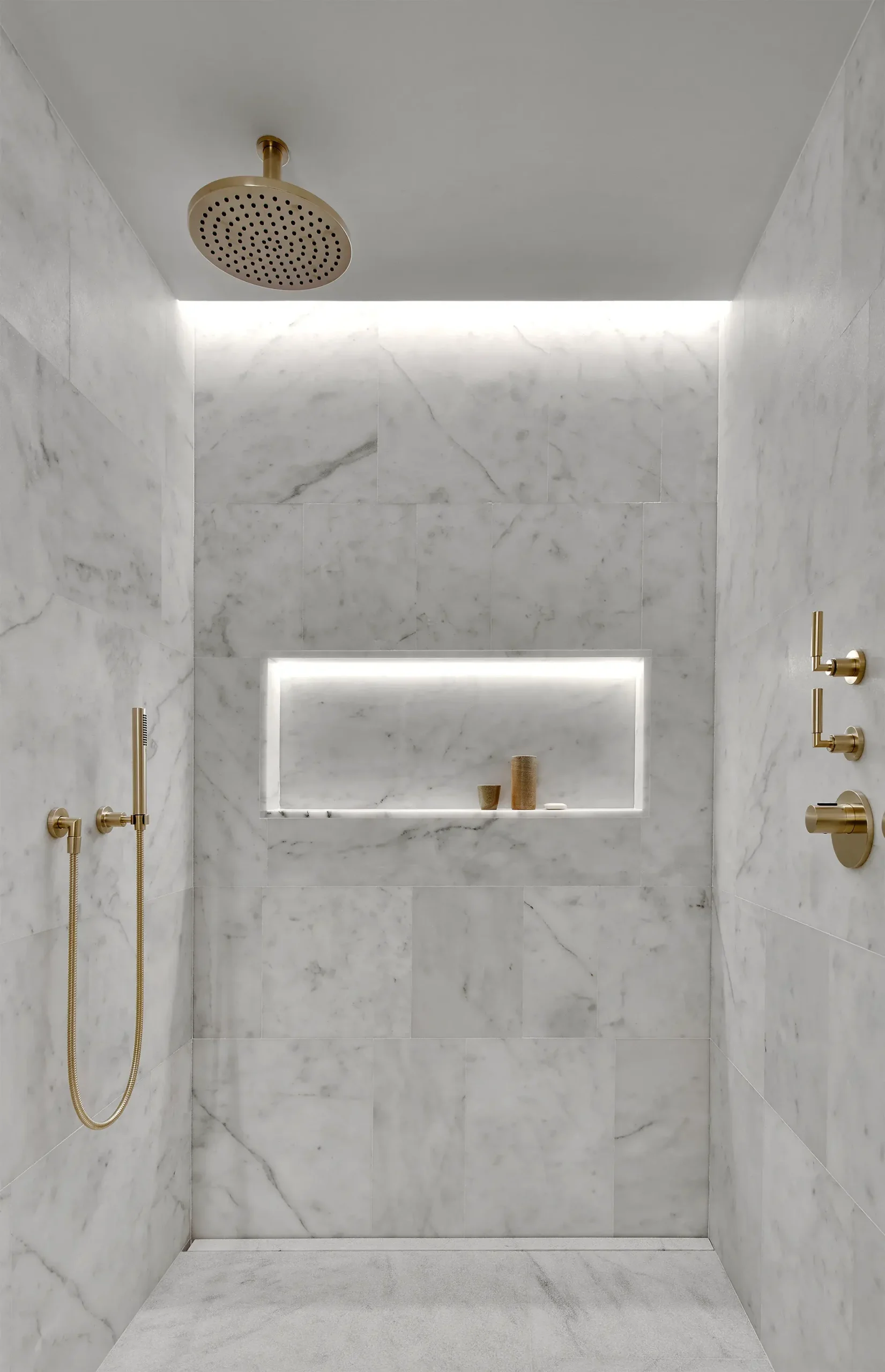
At Can Santacilia, special attention has been given to the selection of natural, noble, and local materials, emphasizing the building’s history and Mediterranean essence. A simple palette of natural materials runs throughout the entire project.
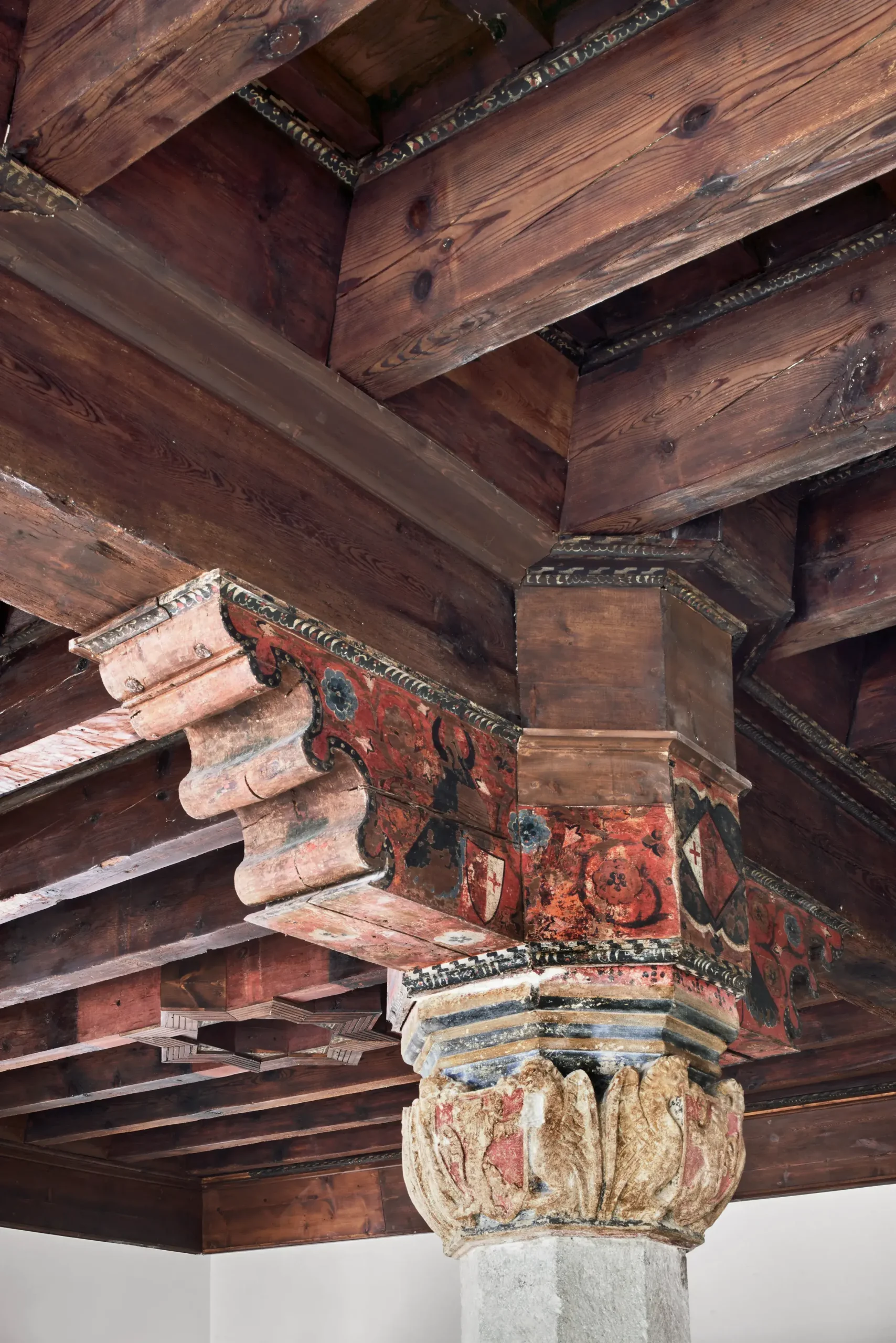
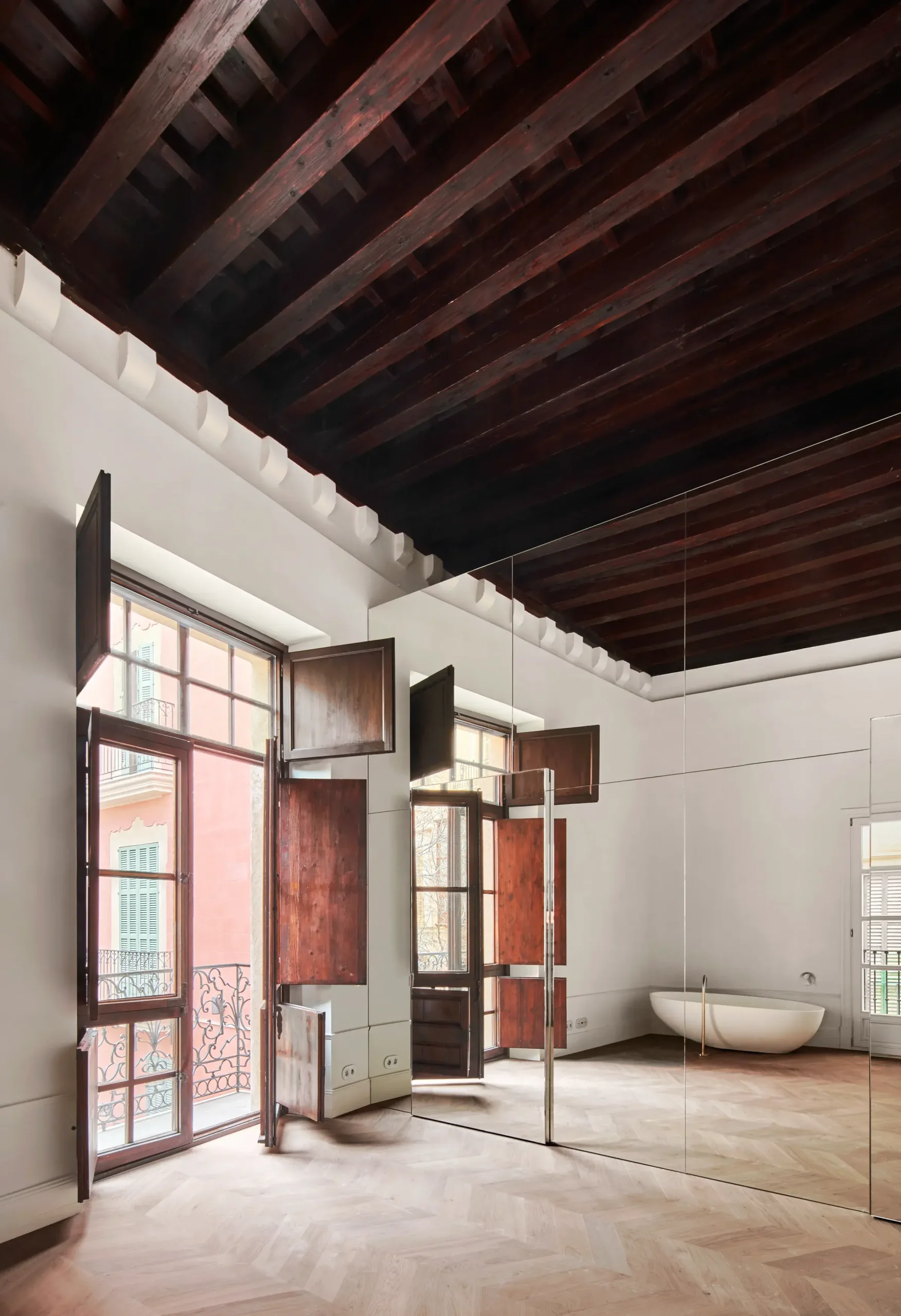
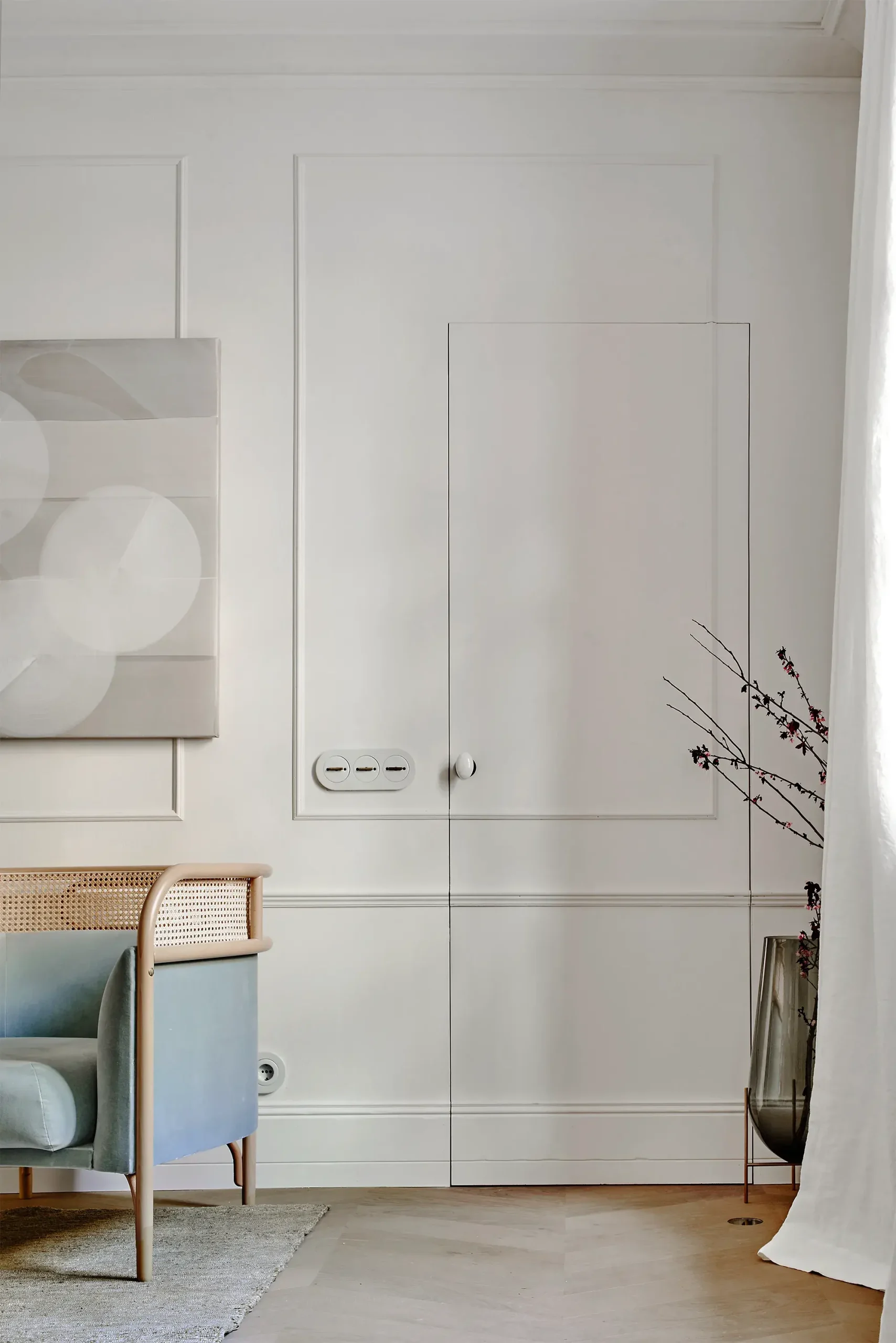
Combining the restoration of historical elements such as wooden joinery, stone and timber structural components, plaster and wood moldings, wooden coffered ceilings, lime and mortar finishes, ceramic, stone, and wood flooring, and wrought ironwork. Alongside these natural references, a careful selection of noble materials provides contrast, including aged...
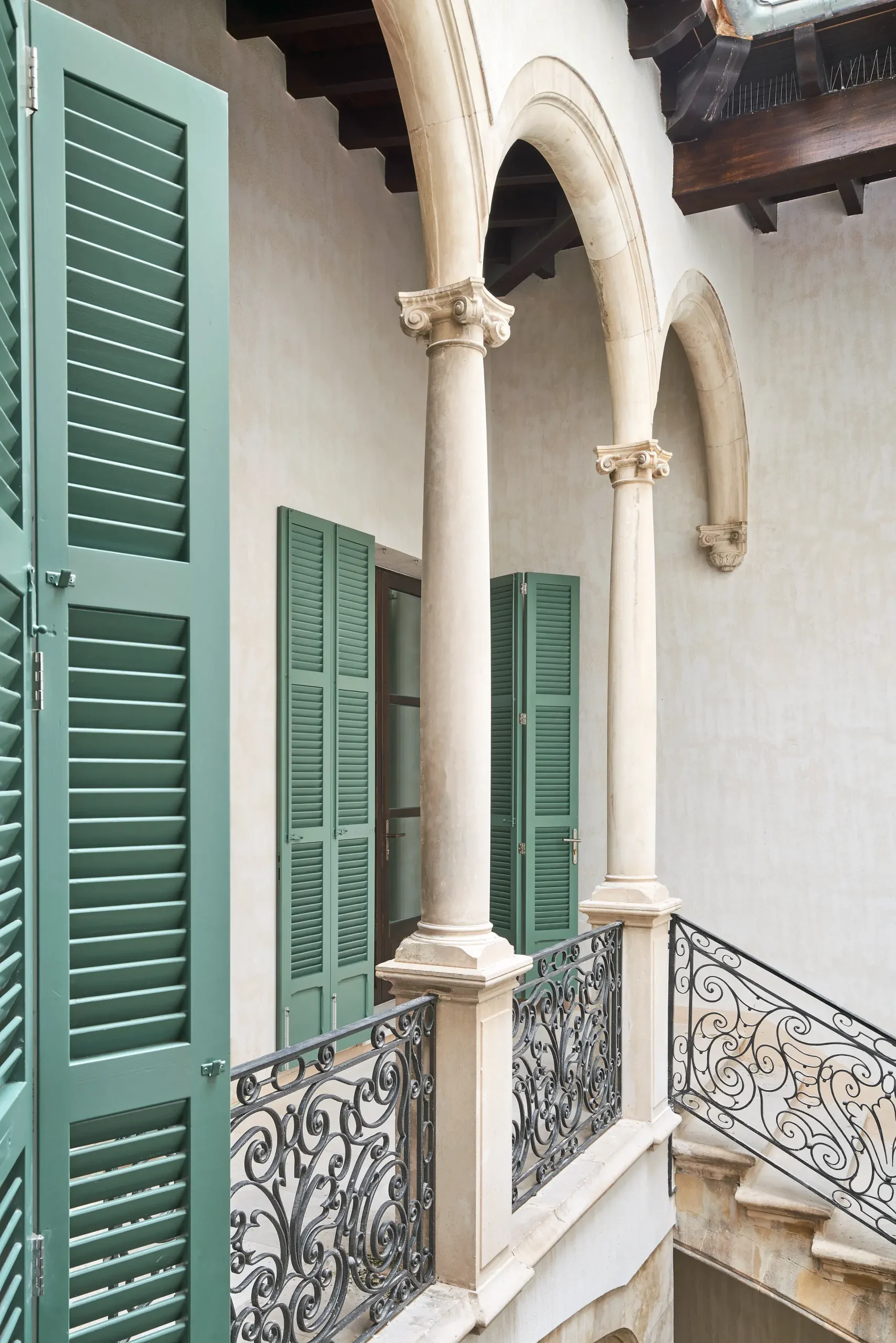
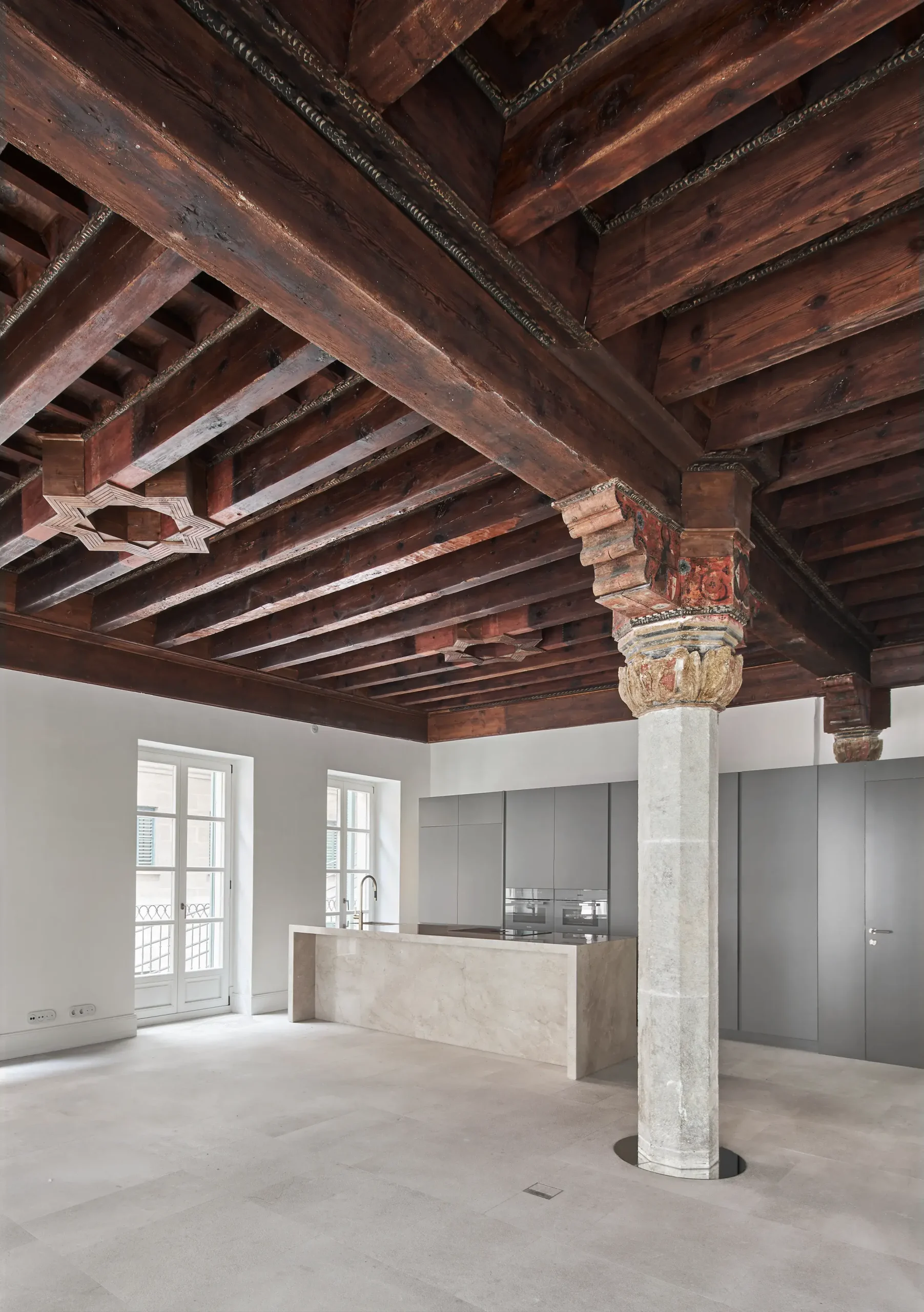
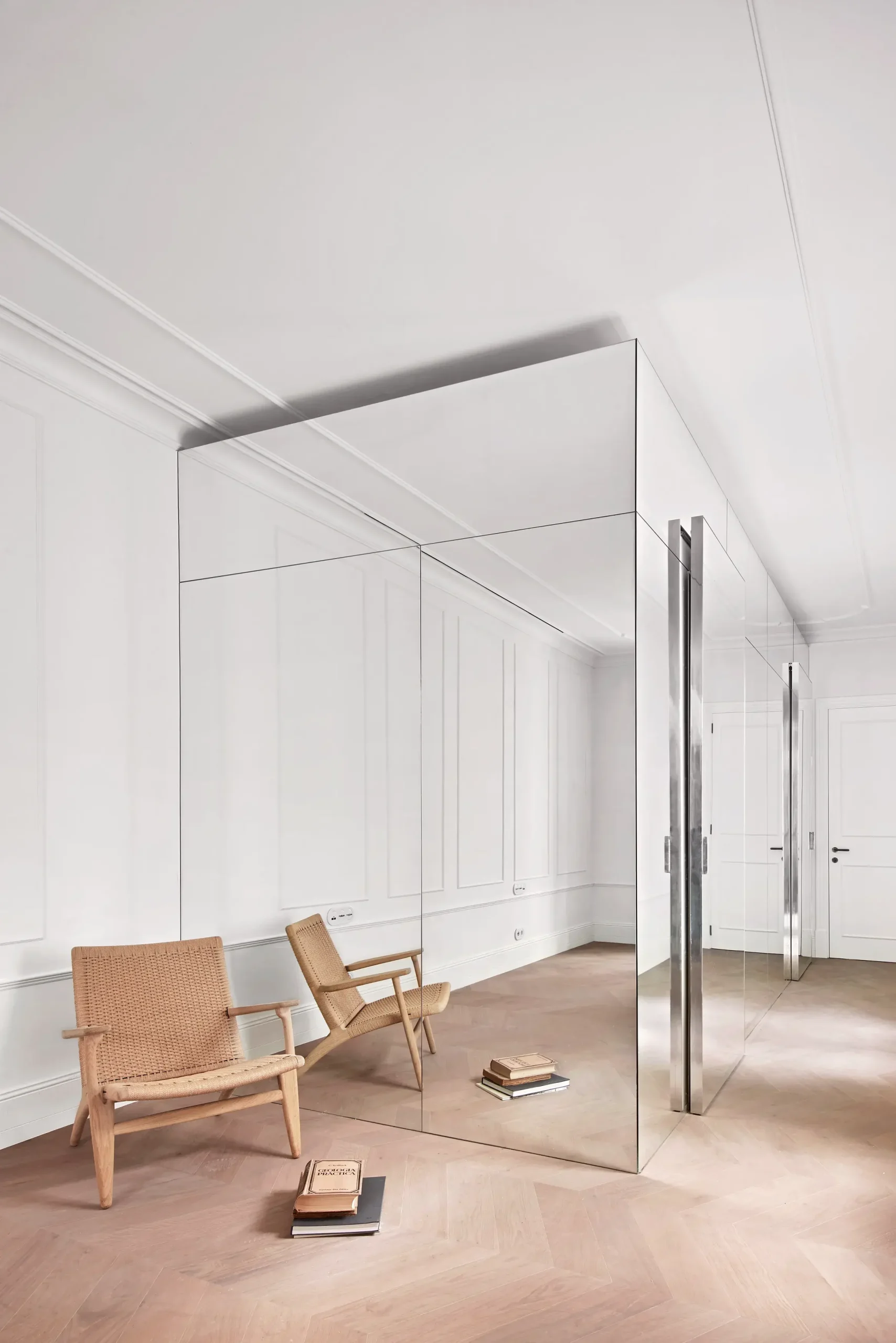
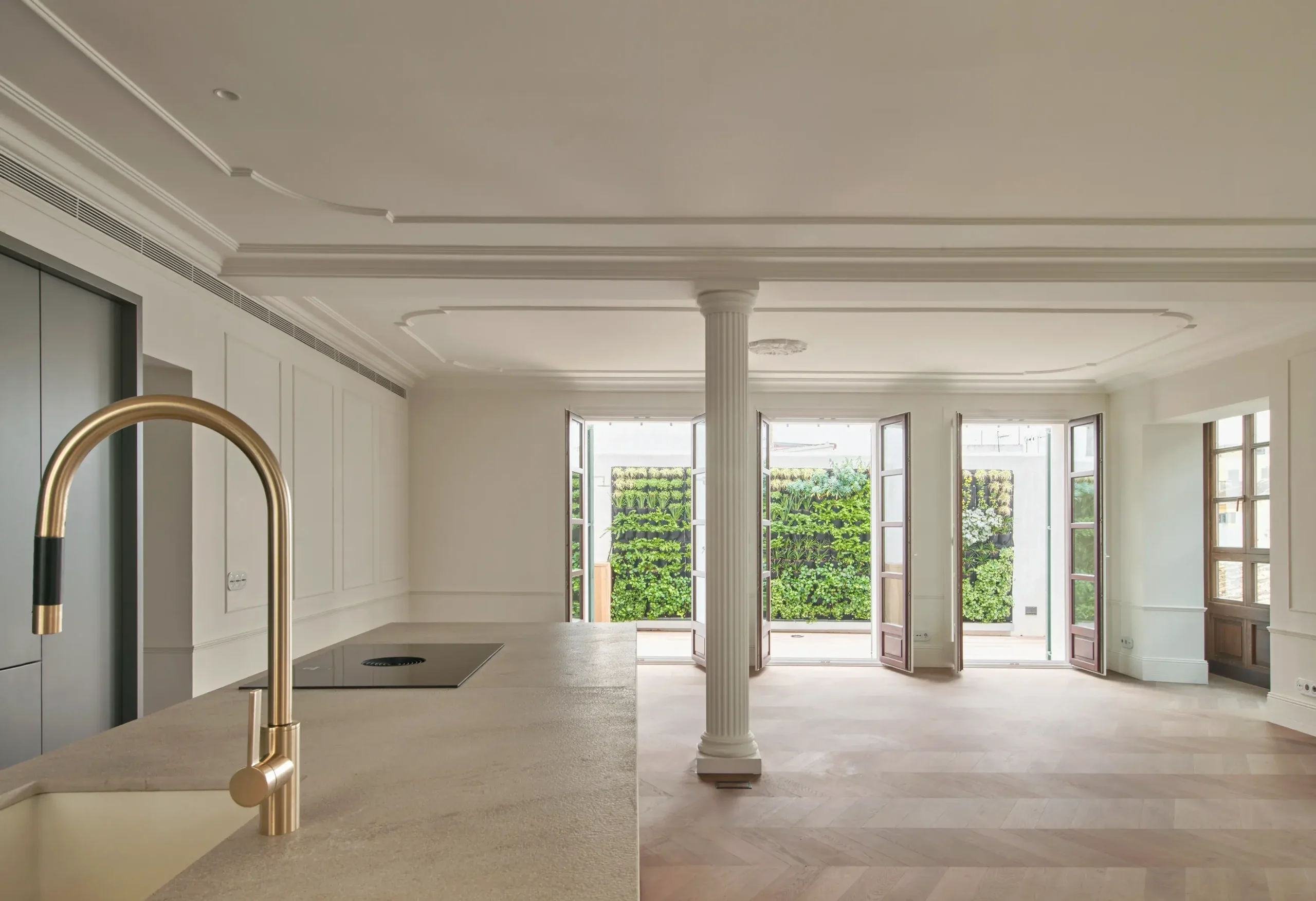
Combining the restoration of historical elements such as wooden joinery, stone and timber structural components, plaster and wood moldings, wooden coffered ceilings, lime and mortar finishes, ceramic, stone, and wood flooring, and wrought ironwork. Alongside these natural references, a careful selection of noble materials provides contrast, including aged bronze pieces, local stone, mirrored panels, porcelain details, and locally sourced linen and cotton textiles.
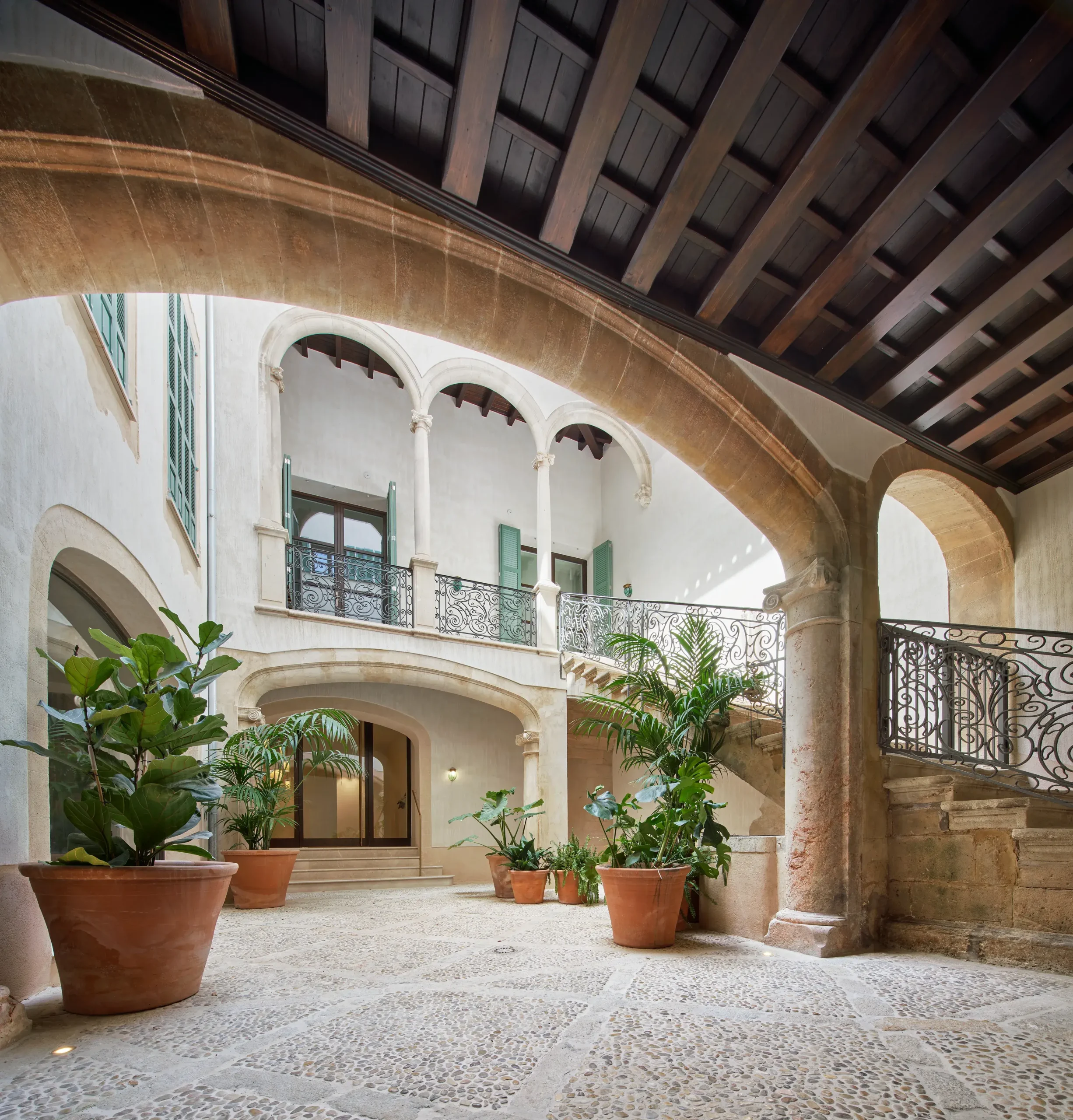
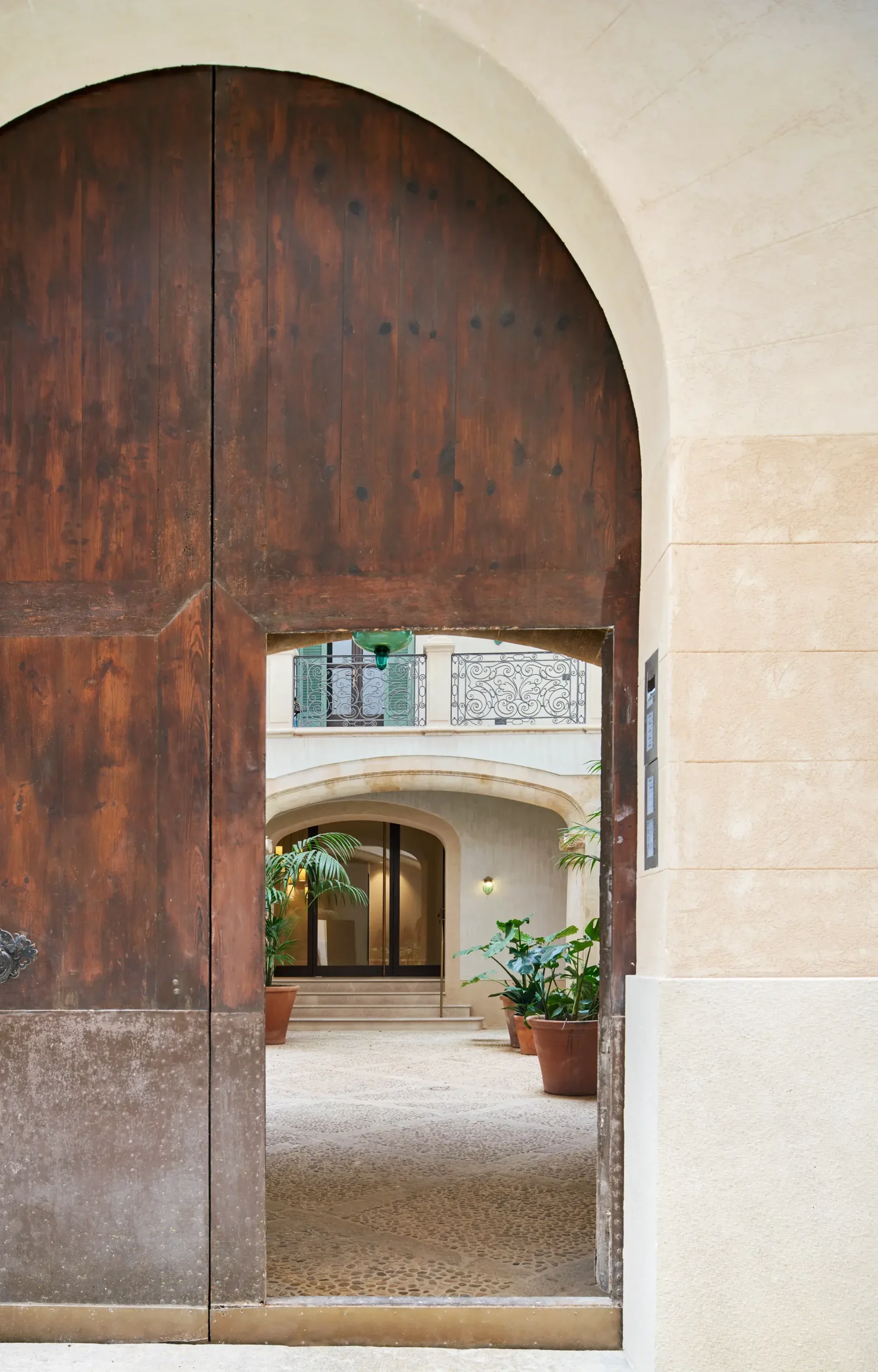
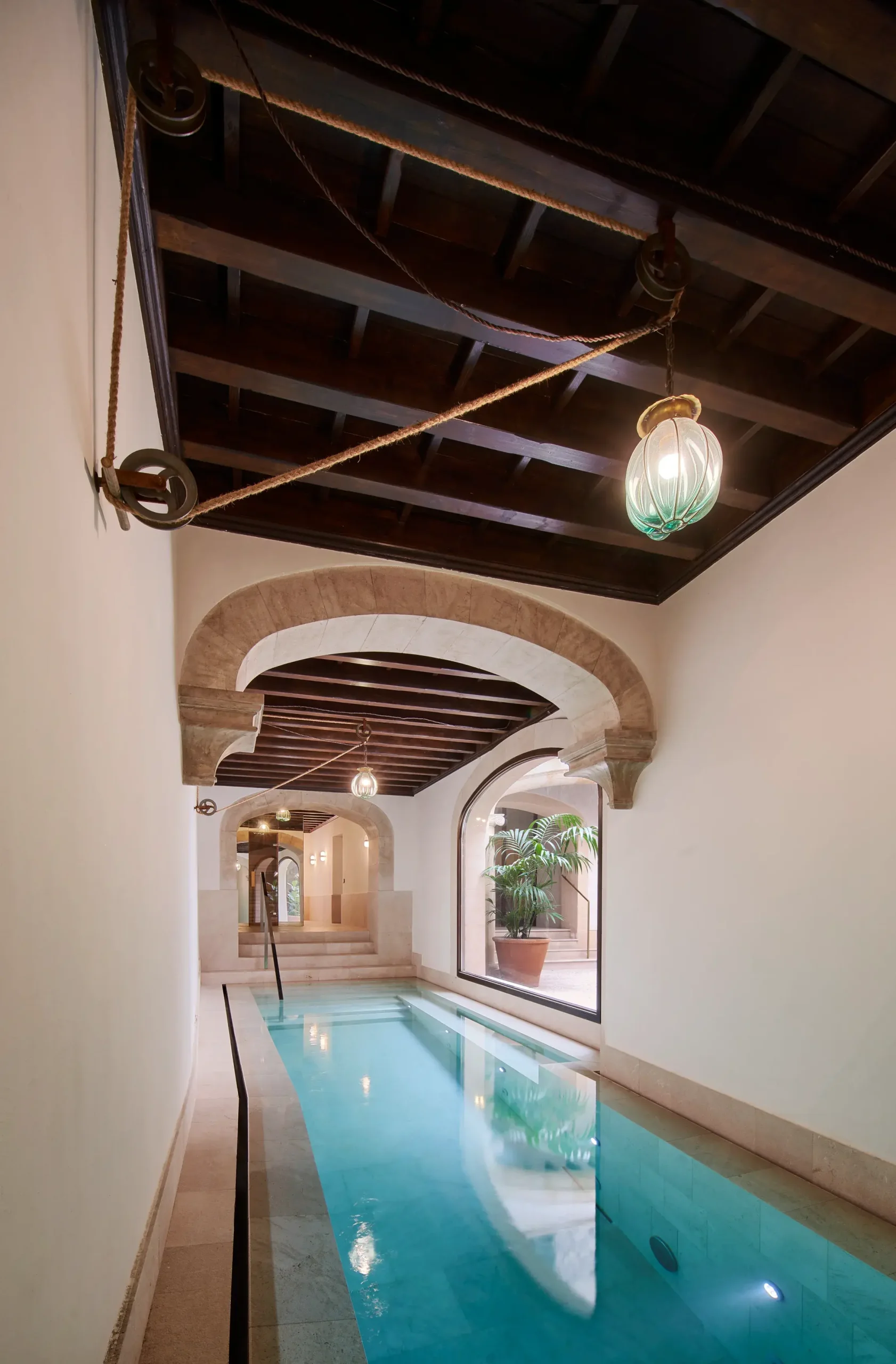
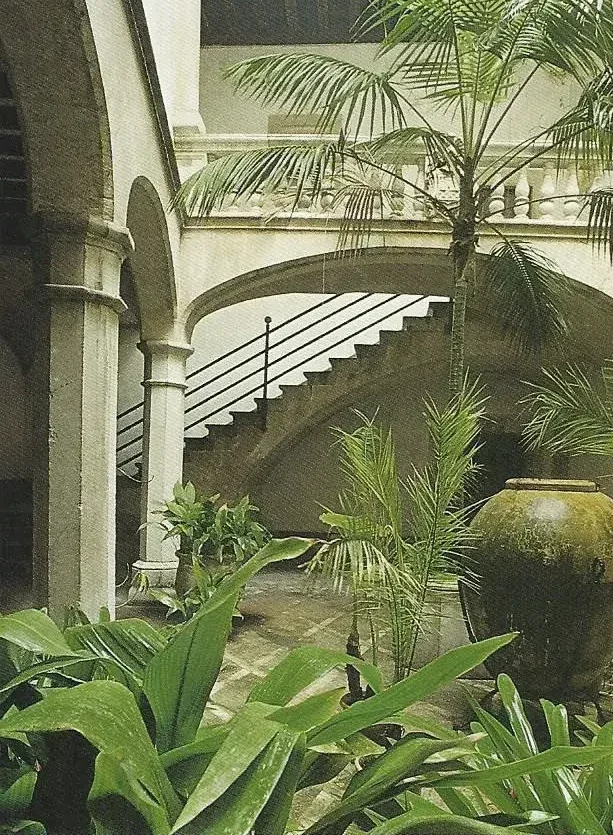
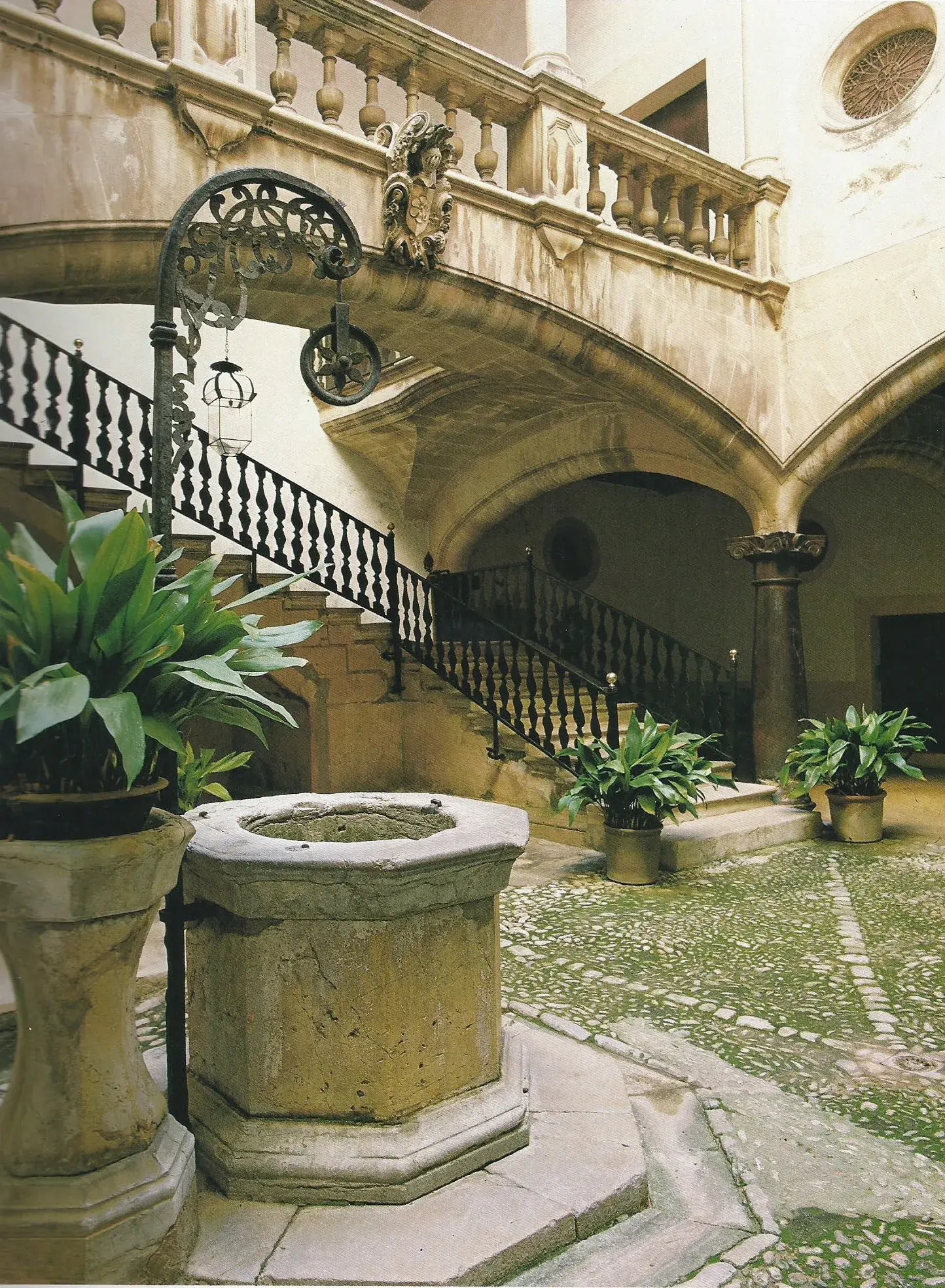
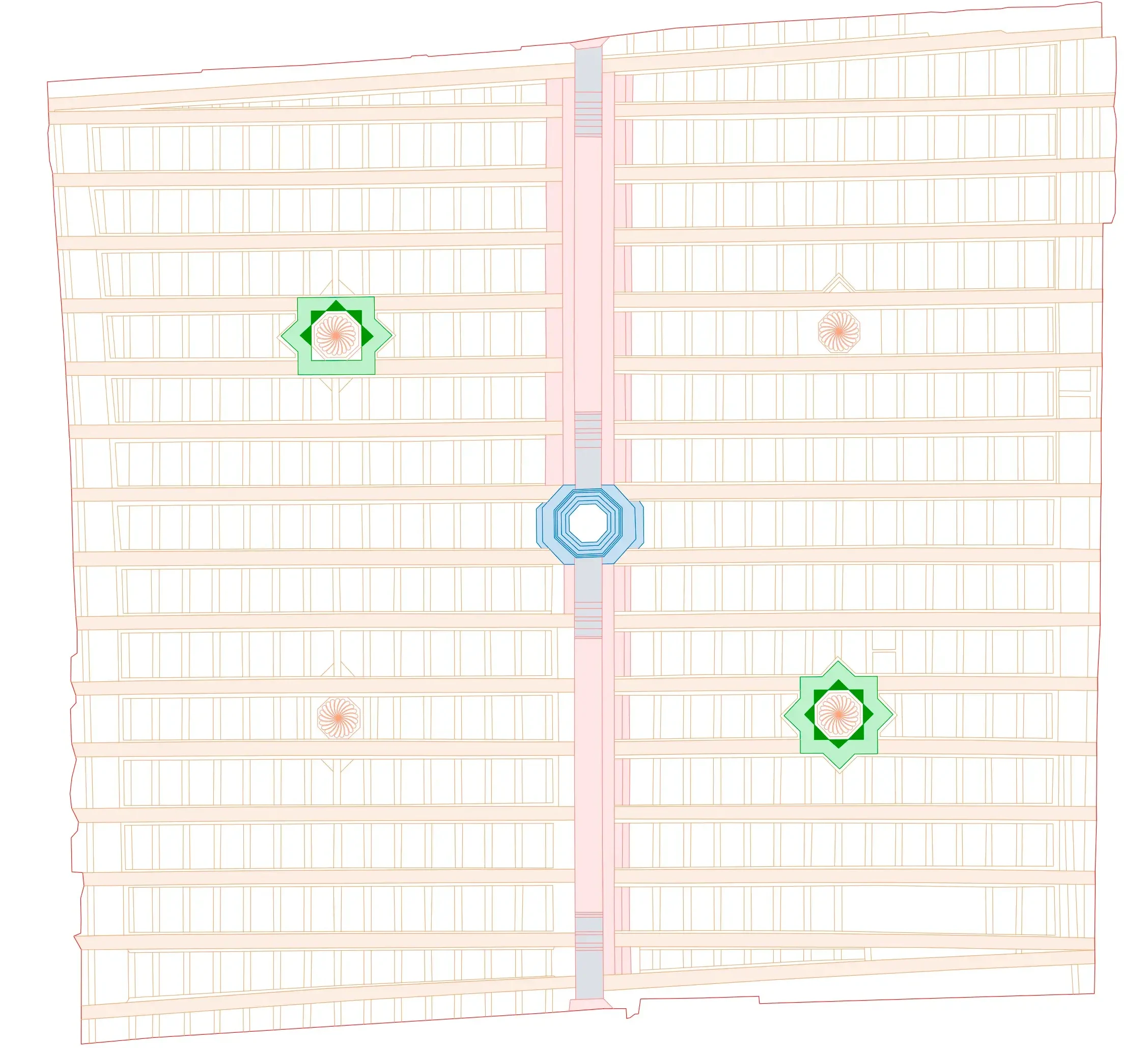
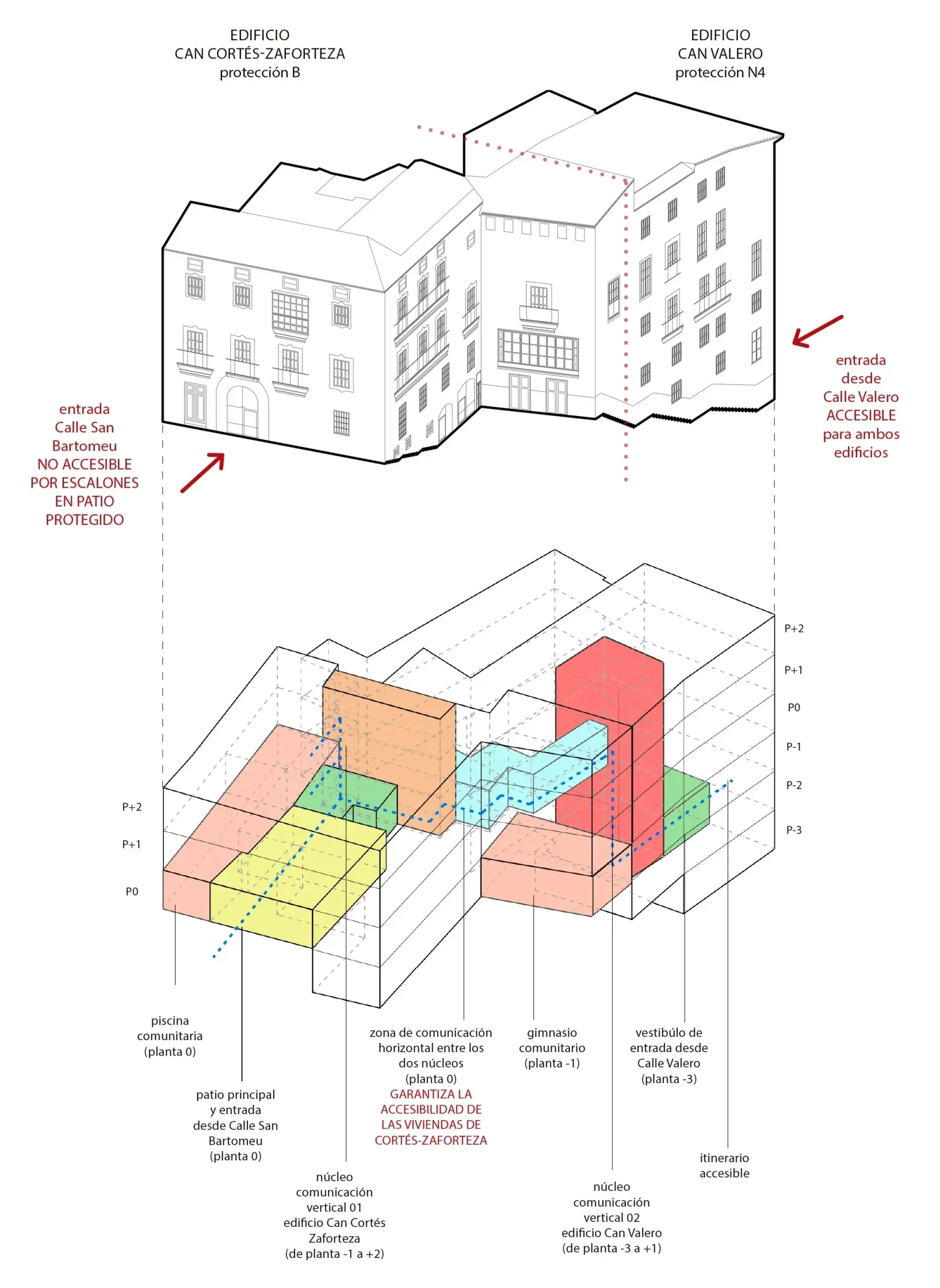
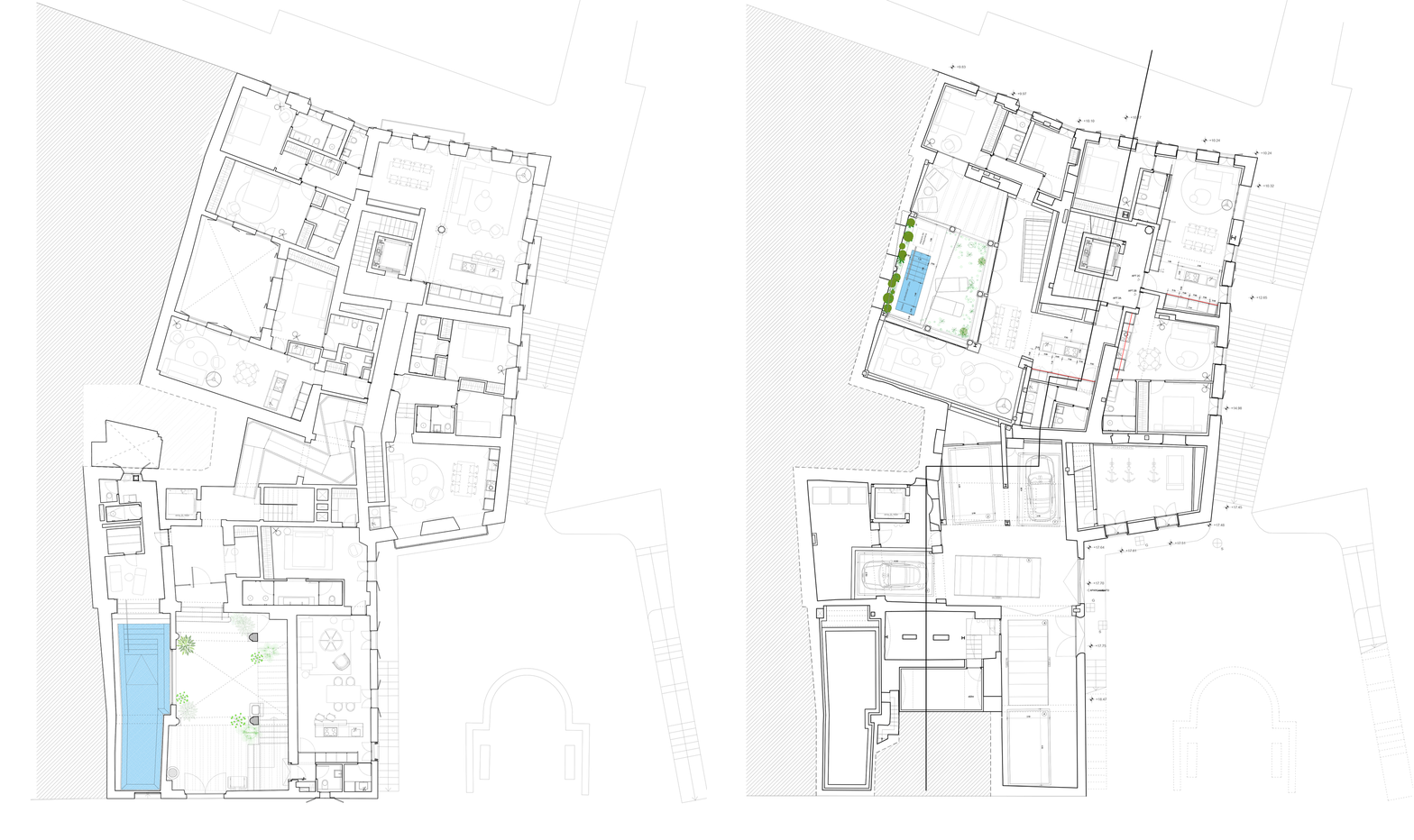
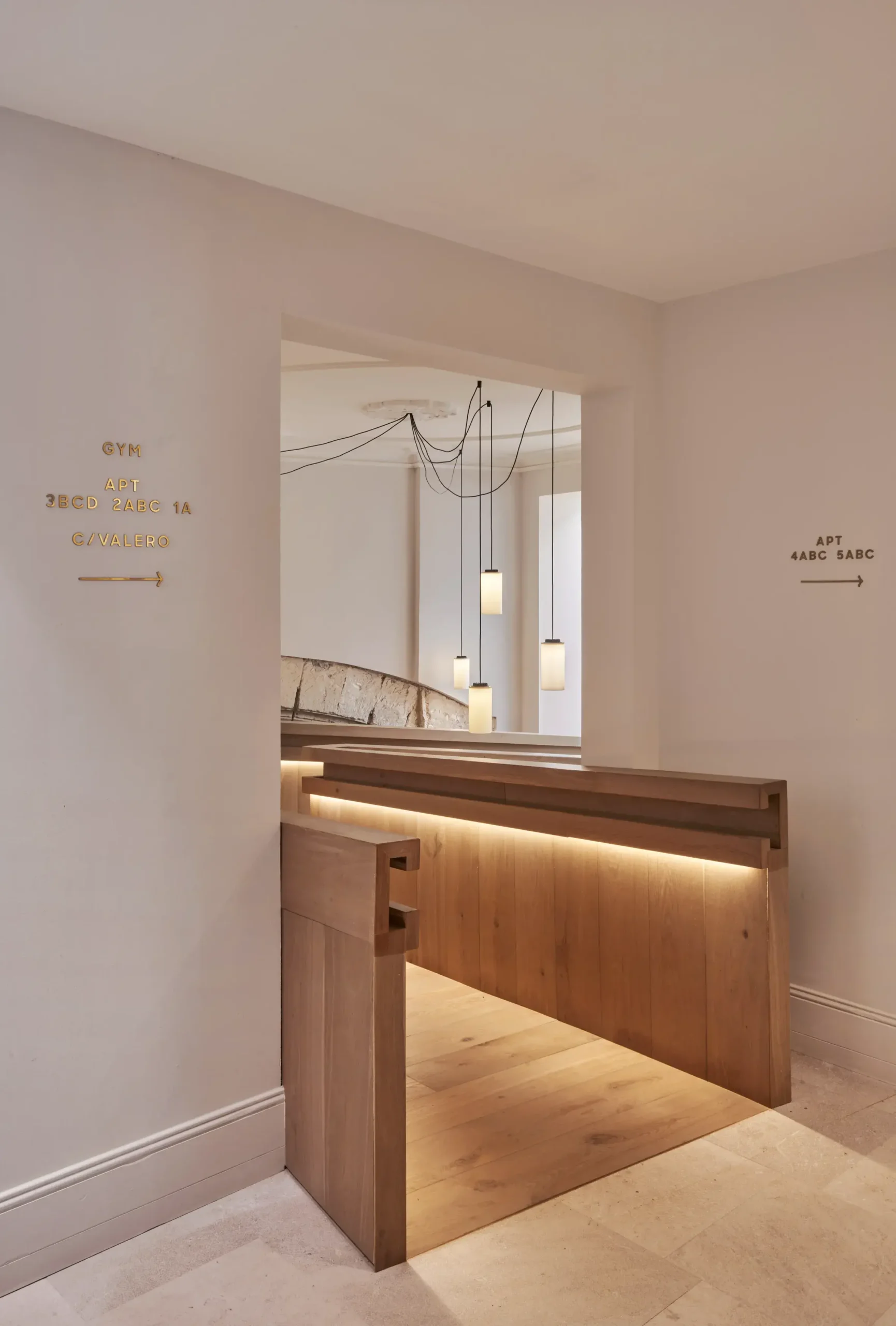
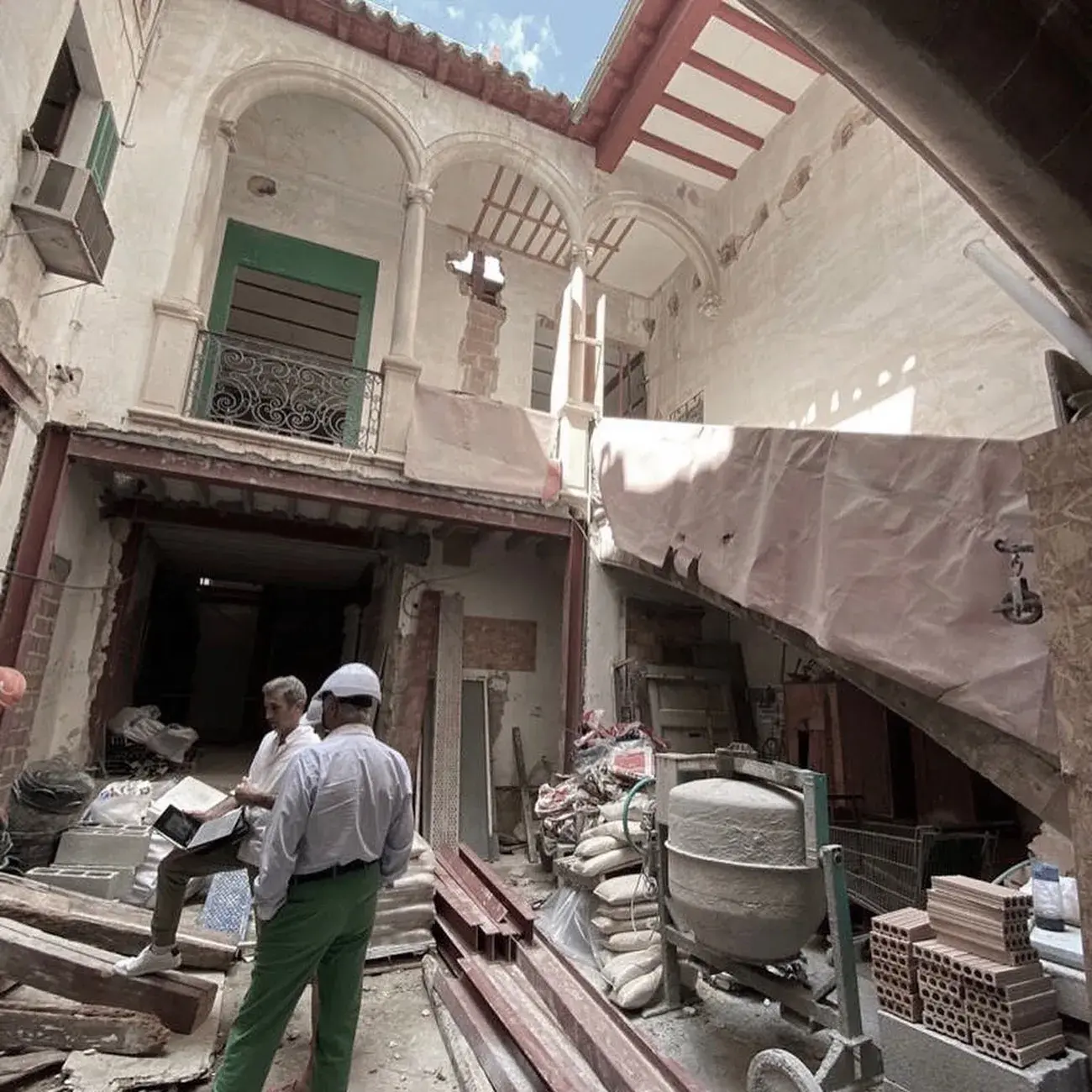
The project restores the entrance courtyard, which had been altered by renovations over the past century, returning the former splendor to this element so rooted in the typology of noble houses in Palma’s historic center. The courtyard becomes the main entrance and heart of the building, opening onto landscaped terraces and communal areas, featuring a gym and an indoor pool with a spa that opens directly onto the courtyard.
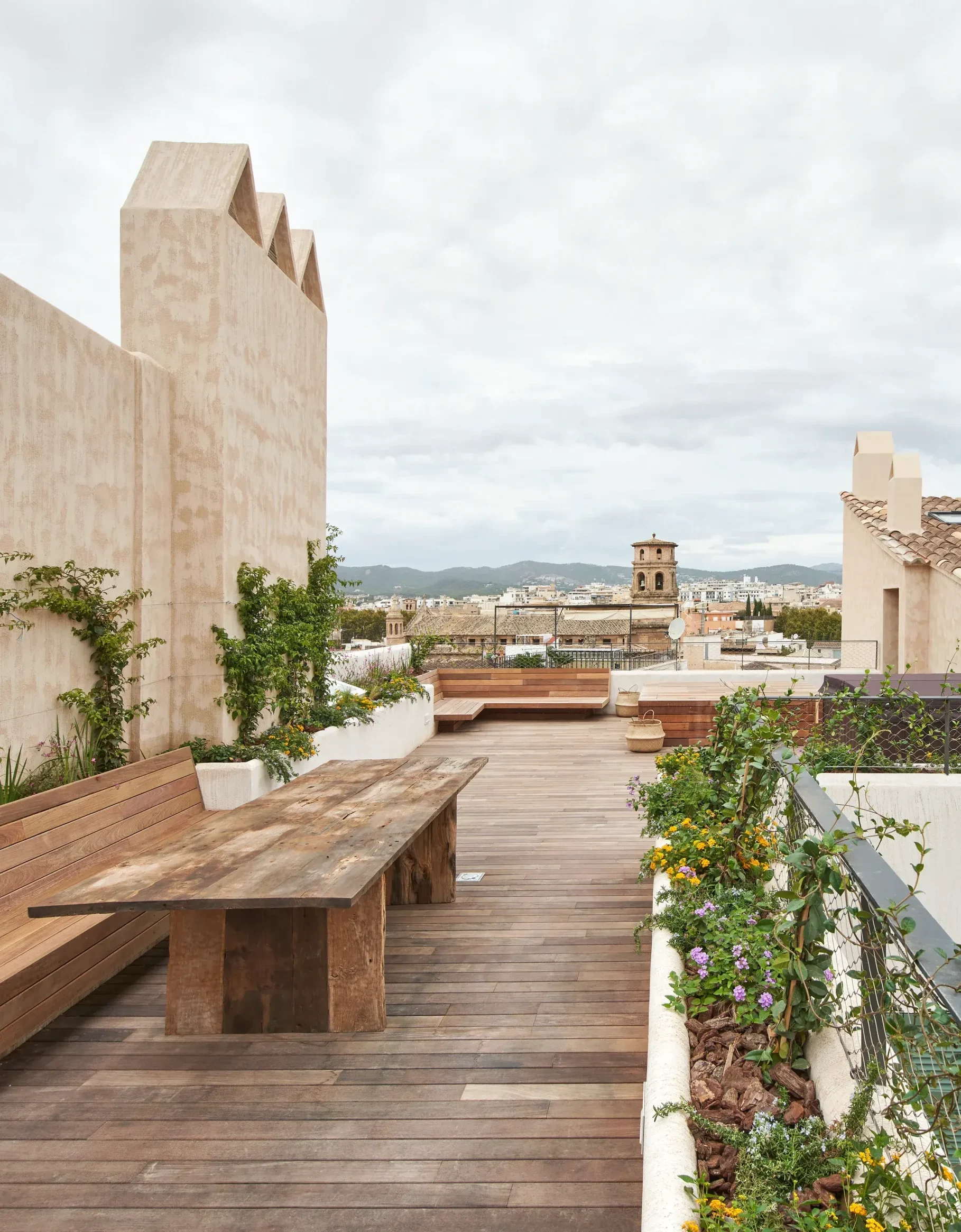
Additionally, a second interior courtyard has been restored as a garden for one of the apartments, along with five rooftop terraces for different units, offering views of the city.
Can Santacilia
Palma de Mallorca
Can Santacilia
Palma de Mallorca
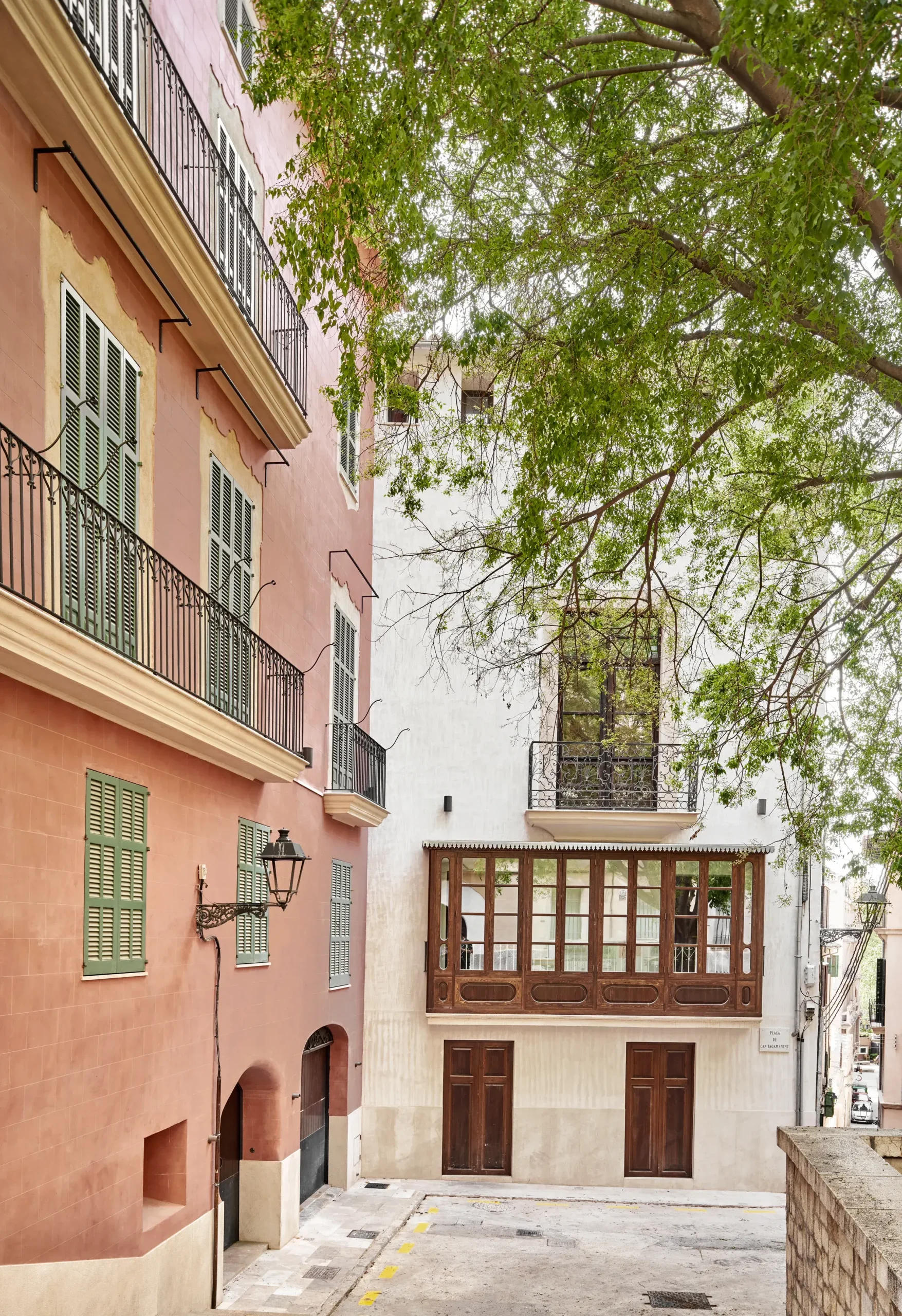
The origin of the intervened buildings dates back to the 12th or 13th century, although the building visible from Tagamanent Square appears in the city archives in 1576 under the name Can Santacilia. Since then, the buildings underwent modifications, meaning that the existing condition prior to the OHLAB project corresponds to the 17th century, with a subsequent renovation in the 18th century.
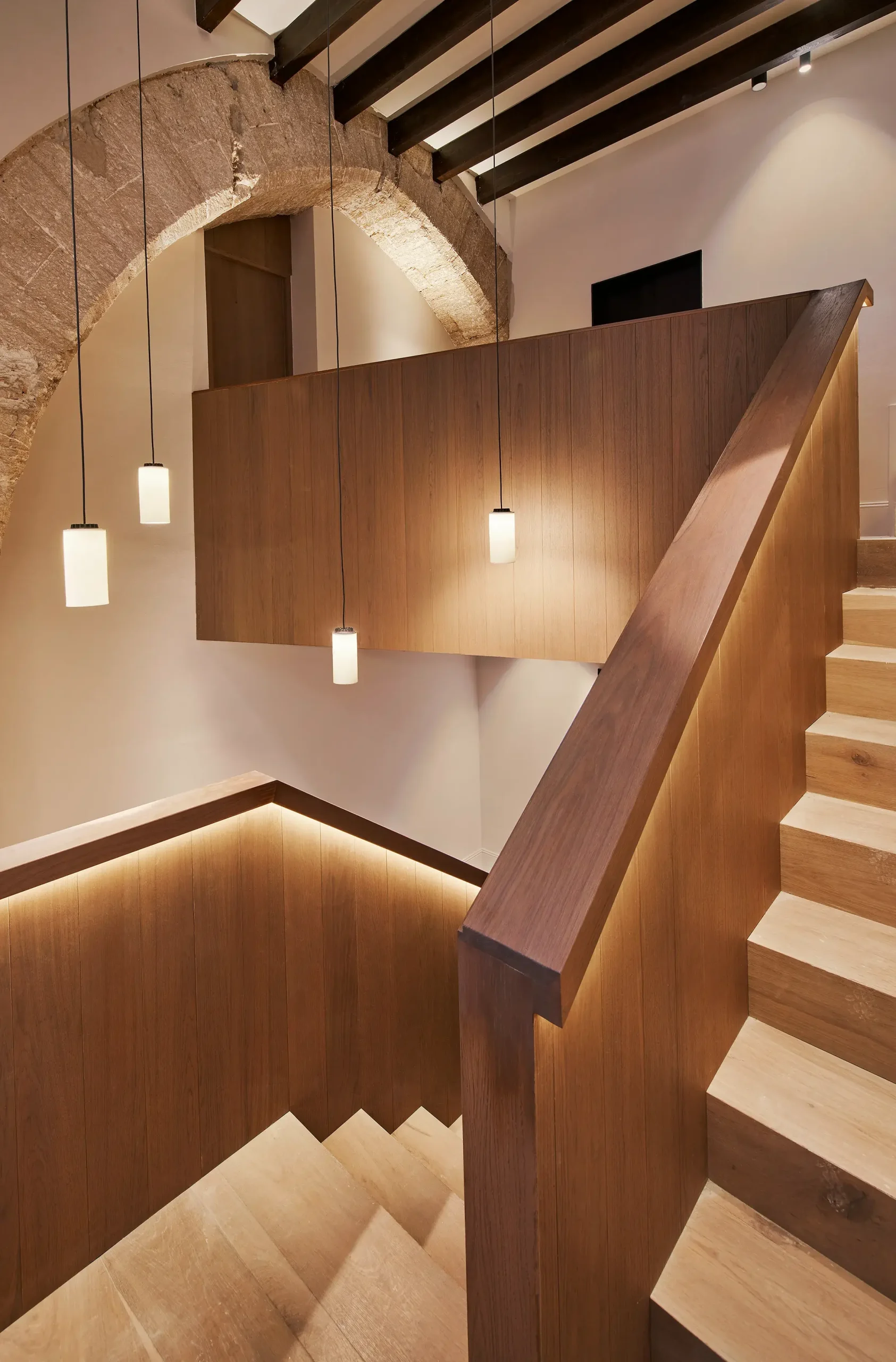
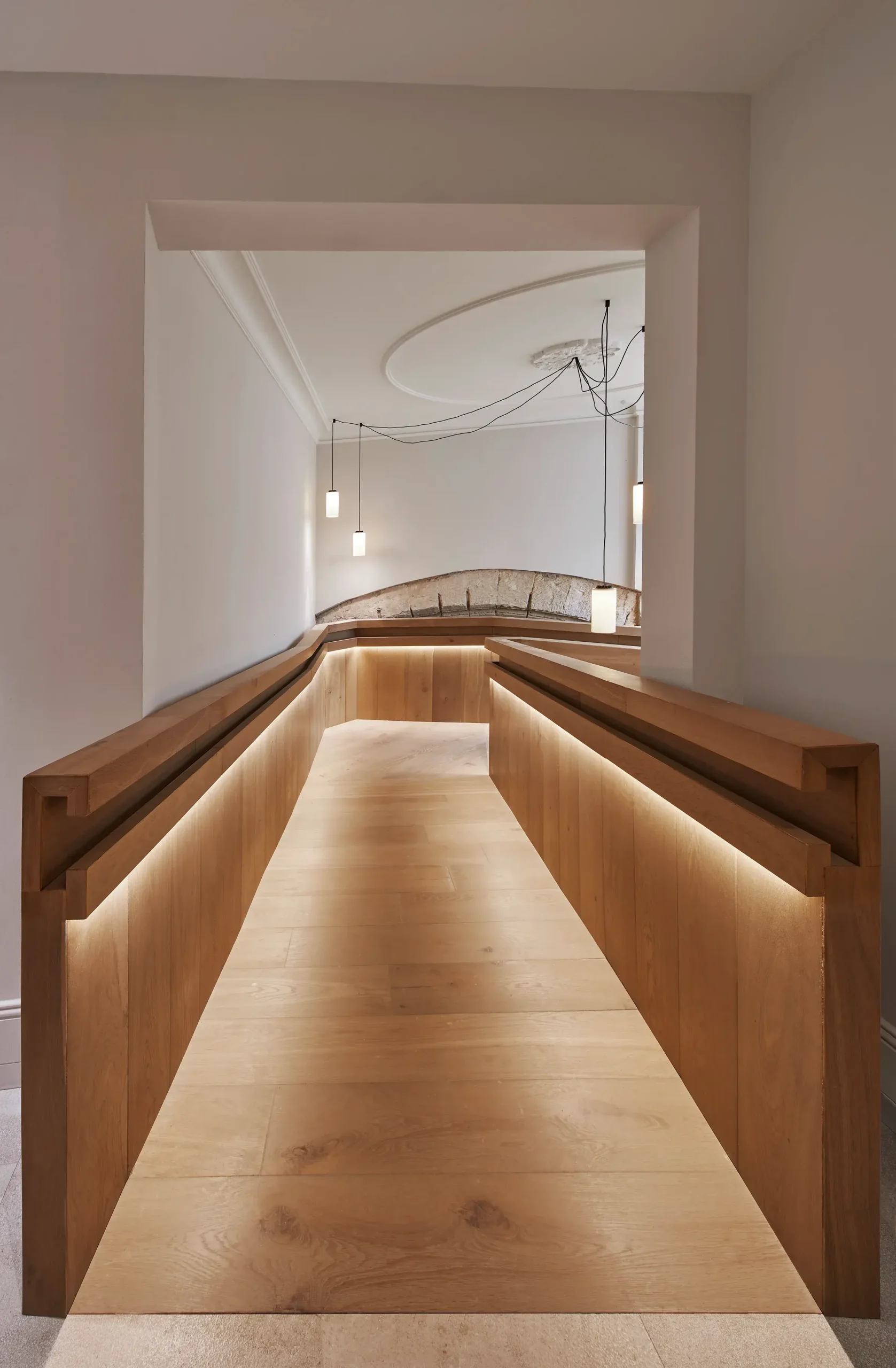
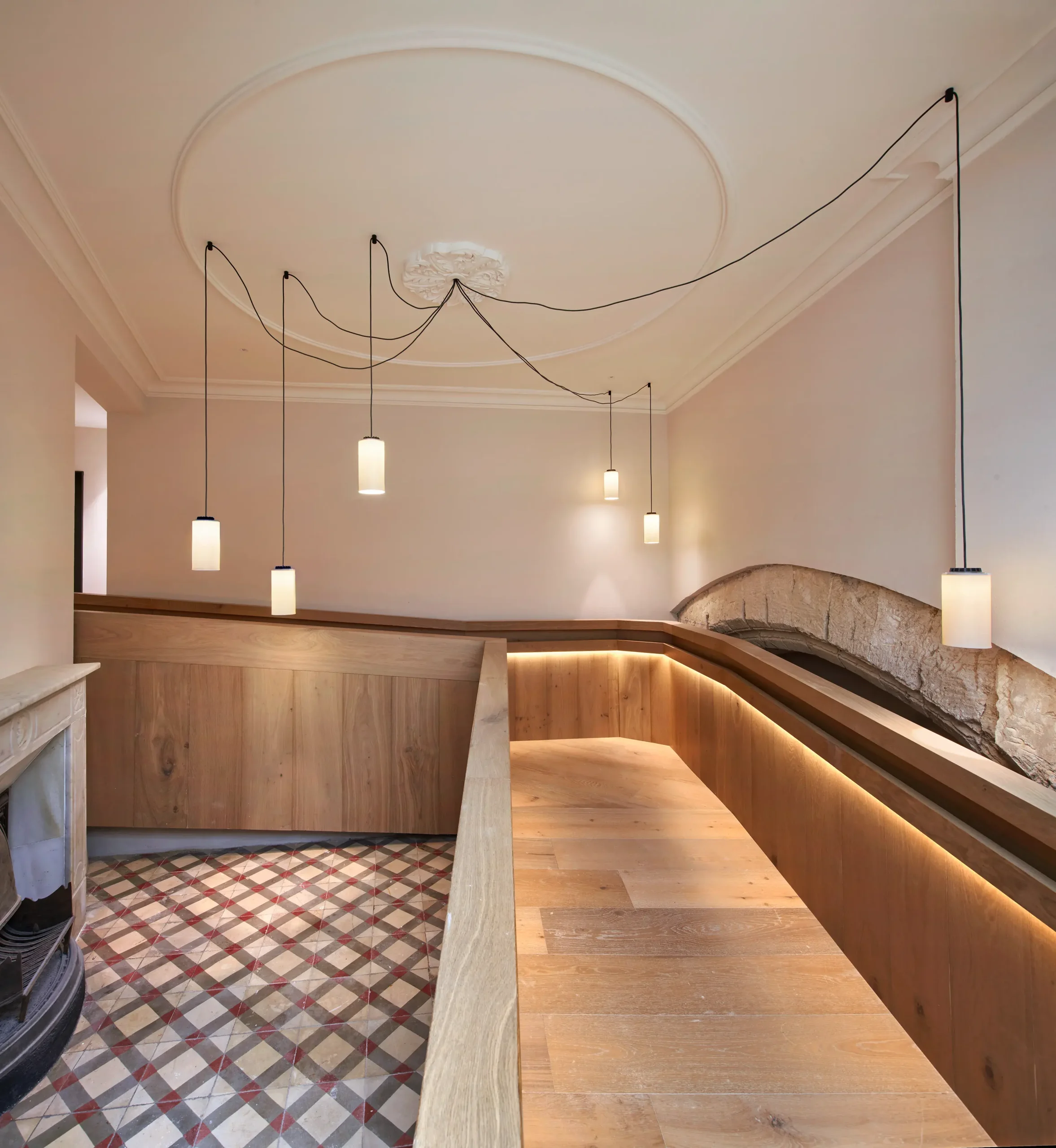
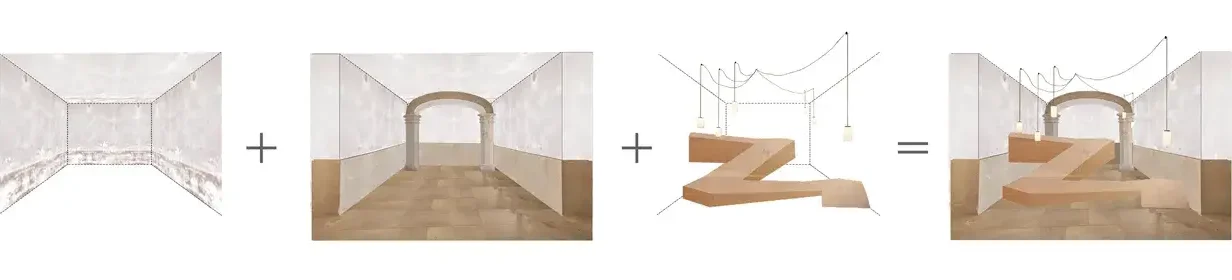
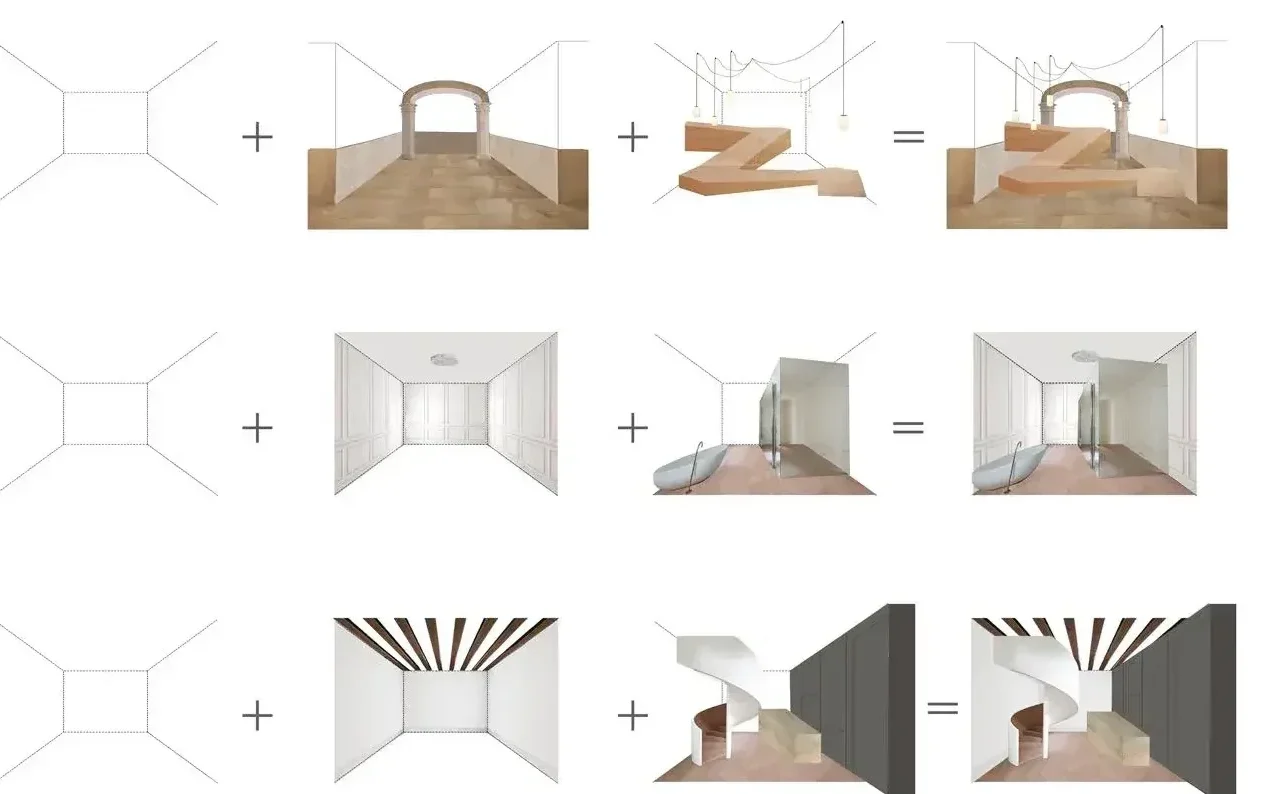
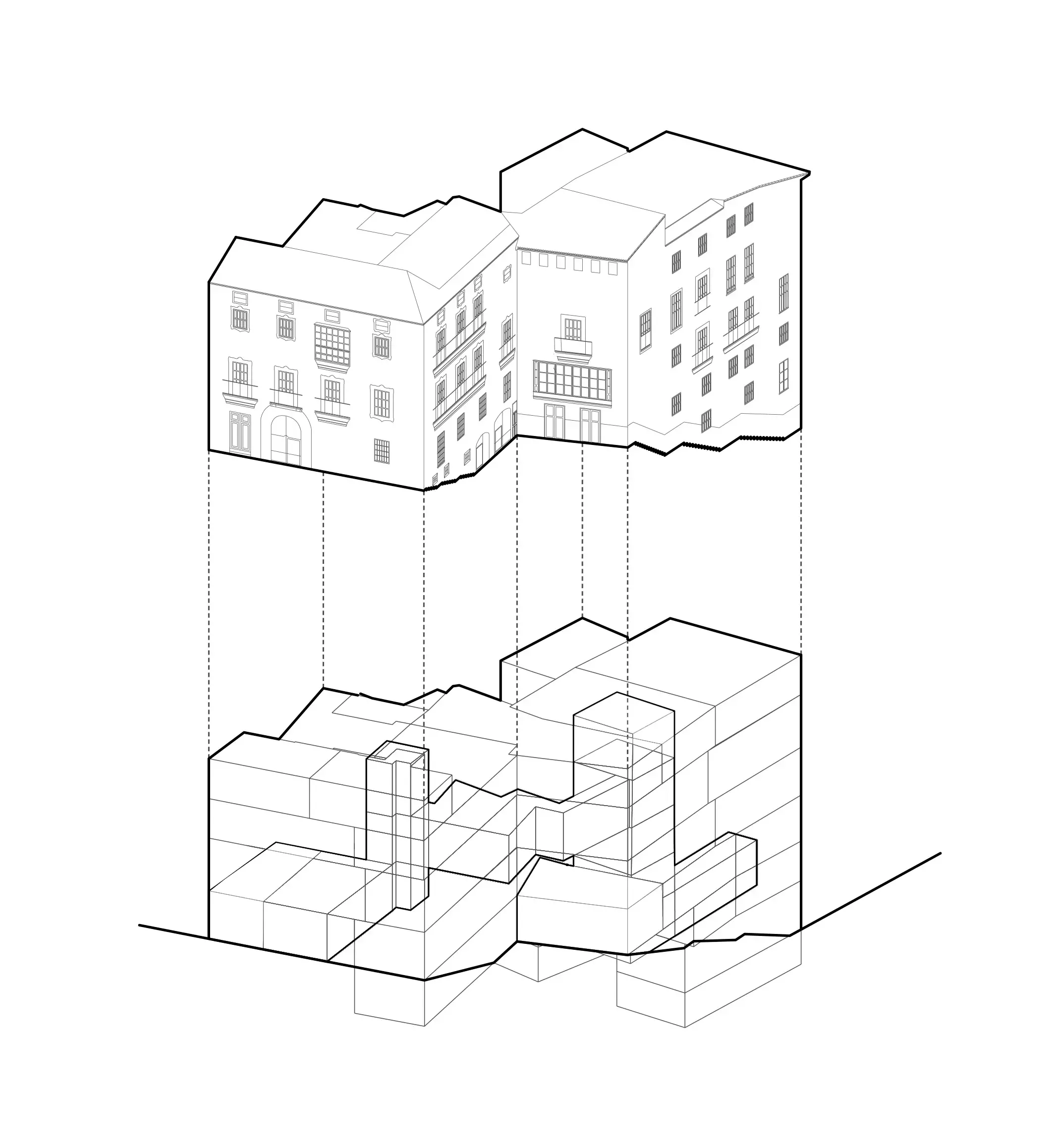
The OHLAB renovation project leverages the complexity of the existing buildings as a potential to create unexpected spaces. The intervention designs each apartment with an individualized layout and solutions that, together with the common areas and connections, form the union of both buildings. The result is a single building whose uniqueness is based on the recovery of its historical essence and a commitment to contemporaneity.
Additionally, both buildings underwent alterations during the 20th century aimed at dividing them into multiple apartments, leaving them heavily modified from their original state. The main courtyard was not well preserved but retained a structure worthy of restoration, and its main façade facing the square preserved some 18th‑century decorative elements. In short, although the buildings had a history of more than 400 years, they were largely transformed and distorted.
Despite the construction restrictions inherent in a historic renovation of a protected building, the project was designed from the outset with sustainability parameters in mind, aiming to maximize energy efficiency by enhancing thermal insulation, carefully addressing thermal bridges throughout the envelope, and using an efficient centralized climate control system.
Architecture and interior design: OHLAB / oliver hernaiz architecture lab
OHLAB Team: Paloma Hernaiz, Jaime Oliver with Rebeca Lavín, Robin Harloff, Maria Bruna Pisciotta, Mercé Solar, Luis Quiles, Silvia Morais, Ángela Suárez, Wiktoria Ginter, Camila Ospina, Pedro Rodríguez, Laura Colomer, Eusebiu Spac, Agustín Verdejo.
Quantity surveyor: Jorge Ramón
Structure: AMM Technical group
Facilities engineering: AMM Technical group
Builder: Diazgar
Kitchen design: Espacio Home Design
Archeologist: Elvira González
Artistic work: Pedro Oliver
Graphic design: Studio Roses
Printed:
Magazine La Vanguardia 12/03/2023
The Plan – Contract Magazine. April 2023
Diseño Interior Magazine. May 2023
On Diseño. October 2023
IFDM – Wonder Book 2023
Digital:
Manera Magazine 08/11/2022
Wprost 11/21/2022
Afasia 22/11/2022
AD Spain 24/11/2022
Metalocus 11/30/2022
Archivibe 01/12/2022
NEO2 02/12/2022
Decor-Design 16/12/2022
Dezeen 16/12/2022
Archi-expo 19/12/2022
AD Italy 02/01/2023
Elle Decor 02/01/2023
Domus 03/01/2023
Arquitectura Viva 05/01/2023
Frame 16/01/2023
Arch Daily 01/23/2023
Architecture and Design 01/29/2023
Stirworld 02/28/2023
Magazine La Vanguardia 12/03/2023
Interiores Magazine 13/03/2023
The Plan 01/04/2023
Plain Magazine 08/28/2023
Expansion Out of Series 03/12/2023
Interiores Magazine 09/01/2024
Arkitera 24/03/2024